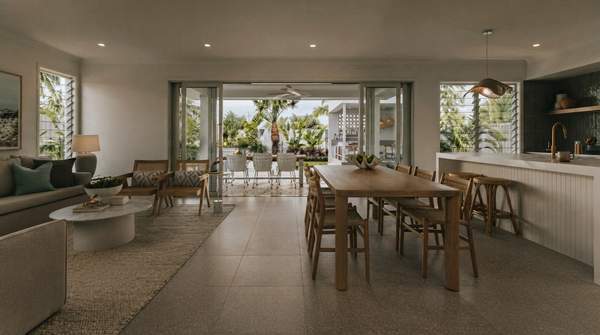
Once the hallmark of a well-appointed backyard, perfectly matching outdoor furniture sets, from tables to chairs and chests, are now actively losing their appeal among design-conscious homeowners. A fundamental change is occurring in how people perceive and create inviting outdoor spaces in 2026, moving beyond mere functionality to curated style. These common outdoor decorating mistakes can make a patio look tacky, diminishing its perceived value.
Homeowners often seek simplicity and cohesion through matching outdoor furniture, but this approach now inadvertently creates a dated and uninspired patio aesthetic. This tension reveals a shift where convenience no longer equates to desirable design.
The market will increasingly favor individual pieces and diverse design elements, pushing homeowners to embrace more thoughtful, curated approaches to outdoor living. This evolution demands a higher bar for 'good' outdoor design, requiring more deliberate and personalized curation.
The Decline of the Matched Set
- Matching outdoor furniture sets, including tables, chairs, and chests, are losing their appeal in patio design, according to House Digest.
What this means is that the convenience of pre-packaged sets no longer outweighs the desire for unique, personalized outdoor environments. Based on House Digest's observations, homeowners embracing matching outdoor furniture sets are inadvertently signaling a lack of contemporary design awareness, trading potential aesthetic value for outdated convenience.
Embracing Curated Individuality
Intentionally pairing different furniture styles and materials, as well as colors in soft furnishings, adds personality and character to patios, House Digest reports. This approach moves beyond simple uniformity.
What this means is that thoughtful curation, rather than uniformity, is now the hallmark of a sophisticated and inviting outdoor space. Homeowners often seek simplicity through matching sets, but House Digest states that intentionally pairing different styles and materials adds personality. This implies that the traditional path to perceived simplicity now inadvertently leads to a dated aesthetic, compelling homeowners to embrace a more complex, curated approach for a desirable outcome.