Libraries Now Offer More Than Books, But Face a Digital Engagement Crisis.

In Nebraska City, the Morton-James Public Library snagged the Organization of the Year title in 2023.

LO
Liam O'Connell

June 16, 2026 · 5 min read

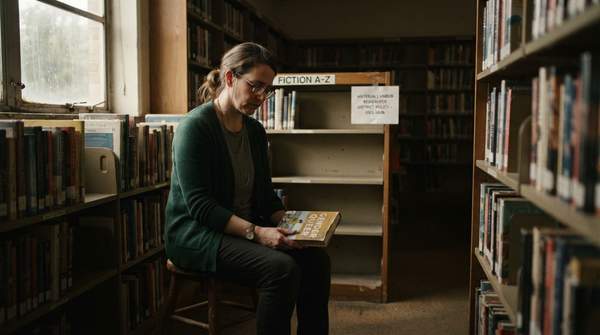
A vibrant, modern library interior showing people of all ages using books and technology, highlighting its role as a community hub.

In Nebraska City, the Morton-James Public Library snagged the Organization of the Year title in 2023. Not just for its impressive collection of paperbacks, mind you, but for its profound impact as a community hub. The American Library Association's nod proves that by 2026, libraries aren't just about shushing patrons; they're buzzing centers for local engagement and vital services.

But hold your horses, this evolution isn't exactly uniform. Libraries are pulling off some incredible innovations and proving their worth, but a hefty chunk are still fumbling with digital engagement and scrambling for the resources needed to keep up with demand. It's creating a 'two-speed' system: some communities are rocking robust library services, while others are still begging for basic access.

So, libraries are sitting pretty, poised to become even more indispensable pillars of community resilience and engagement. That is, if they can finally tackle those pesky funding gaps and strategically embrace modern digital outreach and partnerships. Their savvy in adapting will truly shape their impact on society.

The New Community Cornerstone

Take Chelsea Foust, for instance. She snagged the 2023 Ernest A. DiMattia, Jr. Award for Innovation and Service, and under her watch, library card registrations jumped 14% and circulation grew 15% from 2022 to 2025. The secret? Her laser focus on adult and intergenerational programming, says the American Library Association. These programs don't just attract diverse groups; they prove that real community engagement still thrives on good old human connection.

But libraries aren't just sticking to their brick-and-mortar digs. They're expanding their reach with clever programs. The Little Free Library Impact Program, for example, has handed out over 3,500 Little Free Libraries and 87,500 books since 2016, according to Little Free Library. A whopping 95% of recipients say these mini-libraries bring books to folks who otherwise wouldn't have any. Meanwhile, the Furman Literacy Project is doing its part, keeping 19 libraries stocked with over 3,000 books monthly for about 2,000 community members. Together, these efforts show how grassroots initiatives are crucial for filling the gaps where traditional library access falls short, proving that sometimes, the smallest solutions make the biggest difference.

And yes, libraries are online too. A solid 92% are active on social media, reports PBS Books. Social media activity isn't just for cat memes; it's a smart move, showing libraries are serious about meeting diverse community needs. They're extending their reach through innovative programs and a foundational digital presence, proving they can adapt to where the people are.

The Unmet Demand and Digital Lag

But let's not get too carried away. Despite those individual wins, a gaping hole in basic literacy access remains. Over 1,000 communities are still stuck on the waiting list for the Impact Library Program, according to Little Free Library. The waiting list of over 1,000 communities isn't just a number; it's a harsh truth: while some libraries are busy innovating, millions still can't get their hands on a basic book. It screams systemic failure to tackle fundamental literacy needs on a grand scale.

The digital world? That's a whole other can of worms. More than 55% of libraries admit they never or rarely create their own video content, reports PBS Books. Sure, they're on social media, but without original video, they're basically leaving their digital doors half-closed. They're missing a huge chance to snag younger audiences and push their educational reach beyond those physical walls. The lack of original video content severely kneecaps their potential impact, especially when their in-person programs are thriving.

And let's talk about untapped goldmines: media partnerships. Less than 15% of libraries have a relationship with their local PBS Station, according to PBS Books. That's a profound underutilization of established channels that could blast their educational mission and community impact into the stratosphere. These numbers scream that resource constraints and a serious lack of strategic digital content and partnership development are holding libraries back from truly maximizing their reach.

Bridging the Funding and Engagement Gaps

Now, money is flowing into library infrastructure, but here's the kicker: it often misses the most basic needs. J.P. Morgan, for example, has poured $39.9 million into New Markets Tax Credit (NMTC) equity funding for library projects nationwide over the last 15 years, says J.P. Morgan. That's great for big-ticket projects, but with those persistent waiting lists for basic book access, it's clear there's a disconnect. Fancy new buildings don't always translate to immediate, grassroots literacy solutions.

Libraries aren't entirely shy, though. They show a real eagerness to jump into broader initiatives. Case in point: 70% of libraries got involved with activities for The Great American Read, according to PBS Books. Their participation in The Great American Read proves they're valuable partners for national educational campaigns. Yet, this enthusiasm for big projects stands in stark contrast to their lukewarm embrace of local media partnerships and original digital content creation. It's a bit of a head-scratcher, really.

So, libraries are clearly valuable partners, with significant external investment and a proven eagerness for big initiatives. But for real, sustained growth, they need more consistent, localized funding and sharper strategic collaboration. A dual approach, tackling both grand infrastructure dreams and immediate community demands, seems like the only way forward.

A Future Forged in Community

The future of libraries isn't just about dusty tomes; it's about how cleverly they adapt to ever-changing community needs. They absolutely must keep innovating past the old book-lending model, fully embracing their role as vibrant community hubs. The triumphs at places like the Morton-James Public Library and under visionaries like Chelsea Foust aren't just feel-good stories; they're the playbook for this necessary evolution.

But let's be real: we can't just sweep those systemic challenges under the rug. The unmet demand for basic book access and that underdeveloped digital engagement are glaring issues. For libraries to truly become the indispensable community anchors they're meant to be, they've got to tackle funding disparities head-on and proactively cook up digital content and local partnerships. That's how they stay relevant in this wild, rapidly changing world, especially for folks who need them most.

By 2026, the sector's ability to wrangle more direct funding for programs like the Little Free Library Impact Program – which, let's be honest, serves communities with critical literacy needs – will absolutely dictate their broader societal impact. Libraries also need to cozy up to media outlets, perhaps aiming for a 25% bump in local PBS partnerships over the next two years to truly blast their educational mission far and wide.