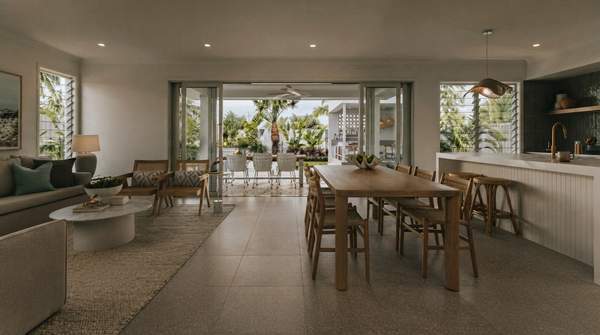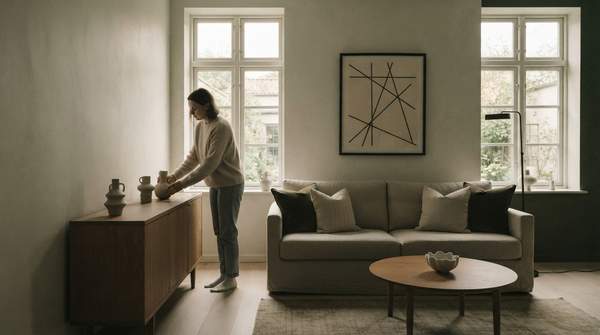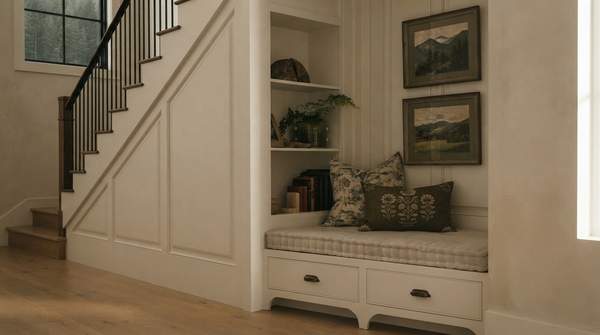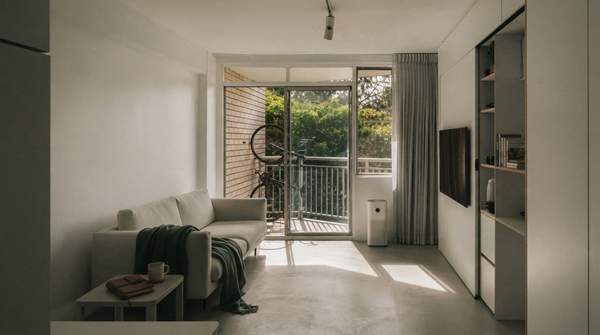
You can design a small living space that feels calm, works hard, and treads lightly by applying three principles together rather than one at a time: minimalist simplicity, multi-functional use, and sustainable material and consumption choices. The trick is treating every purchase and layout decision as a small trade-off. A piece may look beautifully simple but serve only one purpose, or be eco-friendly but visually busy. A simple scoring framework helps you see those trade-offs before anything enters your home.
Introduction: Designing Your Small, Multi-functional, and Sustainable Space
Small homes reward intentionality. Designers of compact houses describe the goal as making every inch serve a purpose, so small living feels effortless rather than cramped. Minimalist renovation guidance from Guardian Storage frames the approach as a lifestyle, not just a look: simplicity, functionality, and removing unnecessary clutter so that every square foot works without sacrificing style or comfort.
What often gets lost in tip lists is that minimalism, multi-functionality, and sustainability pull in slightly different directions. A neutral, clutter-free room may hide storage you actually need. A recycled-material piece may not match clean lines. This article gives you one framework to weigh those pulls against each other, so your choices reflect your priorities instead of a generic checklist.