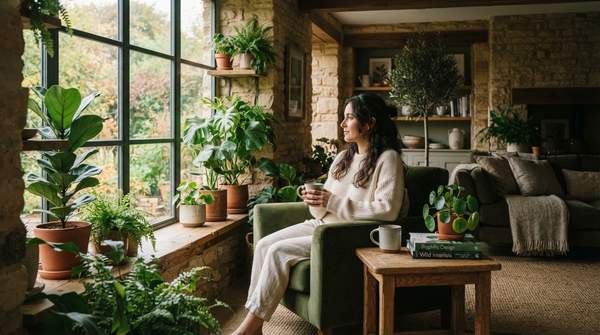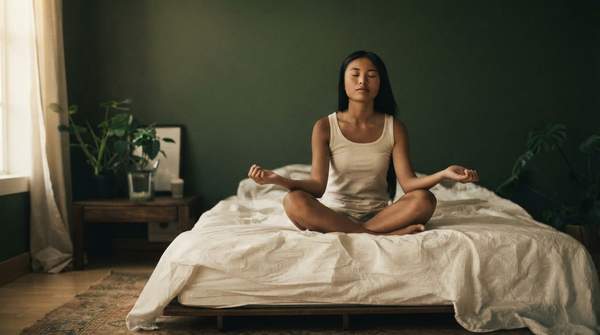
In our homes, we have spaces for work and spaces for rest, but often lack a place dedicated purely to personal pursuits and relaxation. This is the role of a "third space"—an area carved out just for you, distinct from the demands of productivity or the high traffic of family life. Creating this personal sanctuary isn't about having a spare room; it's about intentional design. By defining your purpose and using simple strategies to create a sense of separation, you can establish a functional retreat for hobbies, creativity, or quiet contemplation in any size home.
Understanding Your 'Third Space' Purpose
Before you move a single piece of furniture, the first step is to decide the primary function of your space. This decision will guide every subsequent choice, from location to lighting. A third space is purposefully non-functional in a traditional sense; its goal isn't productivity, but pleasure and personal fulfillment. Without a dedicated area, we often try to relax in our bedrooms, which can interfere with sleep, or in busy living rooms, according to the design publication Lunchbox Architect.
Consider what you need most. Is it a space for creative expression? An art studio, for instance, provides a place where you can freely make a mess without the pressure of cleaning up for dinner every evening, as noted by home design and construction firm Schroeder Design Build. Or perhaps you need a quiet retreat for reading or meditation. This kind of space gives you permission to slow down and is defined by its comfort and lack of distractions. The goal is to create a zone that supports a specific activity that recharges you.
Identifying the Ideal Location in Any Home
You do not need an entire room to create a meaningful third space. The key is to look for underutilized areas within your existing layout. According to an article by Vinitha Agarwal for Diyversify, what you need is a "defined footprint, even if it’s the size of a yoga mat." The identity of the space is more important than its square footage.
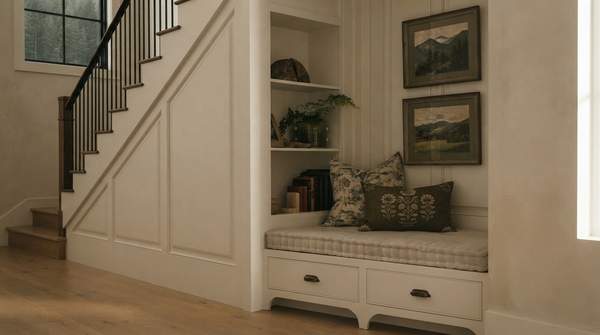
Look for potential spots like an awkward alcove, an unused corner of a bedroom, or even a section of a verandah. Schroeder Design Build suggests that creative spaces can be found under stairs or in a portion of a screened-in porch. A large closet or a section of your garage can also be repurposed. The most effective locations are often those slightly removed from the main flow of household traffic, allowing for a greater sense of retreat and focus. A well-defined 3-by-3-foot corner can be more effective than a large, ambiguous room.