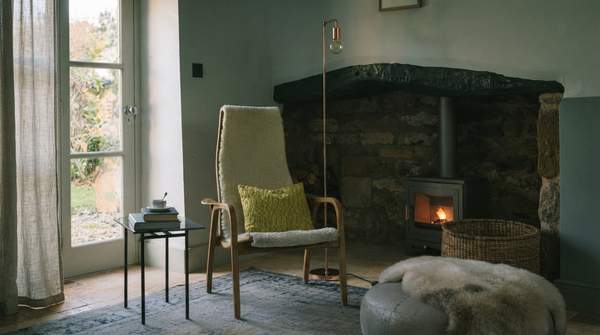
The secret to a nook that serves both deep reading and real work isn't more square footage. It's choosing pieces with two jobs, and then building habits that let you put the work away. A narrow work ledge above a cushioned bench, as one design guide describes, gives you both functions in a single piece of joinery, while a storage ottoman can hold blankets by day and serve as a lap-desk perch when duty calls. What follows is a framework I've assembled from design writers and furniture guides so you can decide, piece by piece, what belongs in your corner.
Designing Your Dual-Purpose Nook: A Decision Framework
Start with an honest question: which activity dominates? A nook is defined by function, not floor area, as one guide puts it, and small rooms simply demand smaller pieces and more discipline with walkways. If you mostly read and occasionally open a laptop, your seat is the centerpiece and your work surface should disappear when not in use. If you mostly work with reading as the evening reward, the work surface comes first and comfort wraps around it. Every other decision — seating, surface, storage — flows from that answer.
The framework below compares two complete setups. Each cell reflects the design guidance gathered here, and each combination is deliberately self-consistent: nothing in the work-focused column fights the reading rhythm, and nothing in the reading-focused column sabotages your posture. Your own nook may sit between these poles; pick the column that describes roughly 70 percent of your use, then borrow sparingly from the other.
Decision Framework for Your Dual-Purpose Nook
| Component | Work-Focused Nook (Compact) | Reading-Focused Nook (Versatile) |
|---|---|---|
| Primary Use | Prioritizes a functional workspace with minimal footprint; suitable for laptop use and basic accessories. | Emphasizes reading comfort first, with adaptable work elements for occasional tasks. |
| Seating Type | A cushioned bench integrated with the work surface; the built-in look keeps the corner tidy. | An armchair with an ottoman: plush comfort for long sessions, with the ottoman doubling as a temporary work base. |
| Work Surface | A narrow work ledge above the bench, or a compact writing desk around 36 inches wide — enough for a laptop, notebook, and coffee, though not a dual-monitor rig. | A lap desk used atop the ottoman or chair, easily stowed away when not in use, preserving the relaxed aesthetic. |
| Storage Solution | Separate shelves and wall-mounted organizers keep work items distinct from reading materials and maintain a clear desk surface. | Hidden storage — a book box or furniture with doors — conceals work items so the corner reads as leisure, not an office annex. |
Notice what the matrix is really doing: it separates two philosophies of concealment. The work-focused nook accepts the desk as a permanent feature and routes clutter upward and sideways. The reading-focused nook refuses to let work take up residence at all — everything functional must be removable or invisible.
Choosing Seating for Comfort and Function
Match the seat to your actual posture, not to a photo you liked. One guide suggests watching how you read for a week — the answer becomes obvious. Armchairs suit upright readers who hold the book up; look for arms at a height that supports your elbows, since unsupported arms tire first. For long sessions, a footstool transforms even a modest chair: one guide recommends a footstool one to three inches below seat height, keeping knees level and easing lower-back pressure.
For the work-inclined, a bench is the unsung hero. One designer, reviewing a small kitchen-corner nook, admired a built-in bench with generous seat depth and suggested adding a small bistro table in front plus shelving or a functional drawer built into the bench seat — seating, surface, and storage in one gesture. Recliners and chaises, meanwhile, are lovely for reading but fight laptop work; treat them as reading-first choices.
Selecting the Right Work Surface for Small Spaces
Size your surface to what you actually do. Around 36 inches of width fits a laptop, a notebook, and a coffee, according to one desk-sizing guide — a genuine writing desk, but one that won't hold a monitor plus a separate keyboard or a second screen. Around 46 to 48 inches is described as the sweet spot for most home offices: one centered monitor, keyboard and mouse in front, landing space on either side. Dual monitors need roughly 58 to 60 inches, and two 24-inch displays alone consume about 42 to 44.
In a nook, though, the ledge beats the desk. Because it sits above a bench rather than on four legs, it preserves the footprint you already committed to the seat. Pair it with a small bistro table if you want a secondary surface for tea or a book, and skip the monitor ambitions — this is a laptop-and-notebook station by design, not a shortcut to a full office.
Smart Storage Solutions for a Clutter-Free Nook
Storage is where dual-purpose nooks live or die. Home offices, as one ergonomics-focused guide notes, often need shelves, drawers, or wall-mounted organizers to maintain a clean desk surface — and in a shared corner, that discipline matters twice over. Assign every object a mode. Work chargers, notebooks, and cables get one shelf; novels and reading glasses get another.
Ottomans deserve special mention. When you're not reading, one decor guide suggests using an ottoman as a coffee table to display a tray, a candle, and books; a pouf can rest your head or elevate your legs. Storage ottomans hold blankets and double as footstools. The same guide captures the whole philosophy in four words: "Every piece earns twice." If a candidate piece of furniture can't articulate its second job, it probably doesn't belong.
Strategies for Seamless Work-to-Relaxation Transitions
Three strategies emerge from the design guidance, and I'd treat all three as non-negotiable for a corner doing double duty.
- Physical separation of the two libraries. Keep work books on separate shelves from reading books. The warning from one guide is blunt: mix them, and "the corner turns into an extension of the office." Two shelves, two purposes.
- Concealment behind doors. Picking home office furniture with doors lets you hide the work half once the day is done. Out of sight genuinely helps the corner re-become a reading spot rather than an office that happens to contain a novel.
- Dual-purpose pieces that flip modes. A storage ottoman holding blankets becomes a footstool or a base for a lap desk; a daybed reads as seating by day and hosts a guest at night. When the work surface itself stows away, the transition is physical, not just mental.
One more habit worth stealing from that same guide: if your nook screen time is significant, optometrists describe digital eye strain as a real cluster of symptoms, and the standard fix is a break every twenty minutes looking at something far away — ideally in the direction of the view you'll enjoy once the laptop closes.
Achieving Nook Harmony: Your Next Steps
The decision I'd have you make is to implement a design that strategically separates work and relaxation elements, using multi-functional furniture and dedicated storage to facilitate seamless transitions. Concretely: choose your column from the matrix above, confirm every piece has a second job, and assign separate homes to work and reading materials before anything enters the corner. Renters should know the whole thing is achievable without construction — one chair, a plug-in wall light, and a narrow bookcase deliver the same result, and none of it needs a landlord's permission.
The measure of success is simple and checkable: the nook consistently feels distinct for work and relaxation, with work items easily put away or out of sight when not in use. If you can shift from spreadsheet to novel in under a minute — and back — the design has done its job.
Sources
- You’ll Never Want to Leave These 25 Gorgeous Reading Nooks for Small Rooms — Michael Helwig Interiors
- The Ultimate Guide to Creating the Perfect Reading Nook — DuBois Furniture - Waco & Temple Texas Furniture Store
- 26 Reading Nook Ideas for Adults That You Will Actually Sit In — SICOTAS
- Reading Nook Ideas — Living Spaces
- Home Office Desk Size: Minimum Requirements & Space Tips — Eureka Ergonomic
- Calculate Ideal Computer Desk Size Guide for Custom Desks — iMovR
- Standard Desk Dimensions: Width, Depth & Height Guide — effydesk