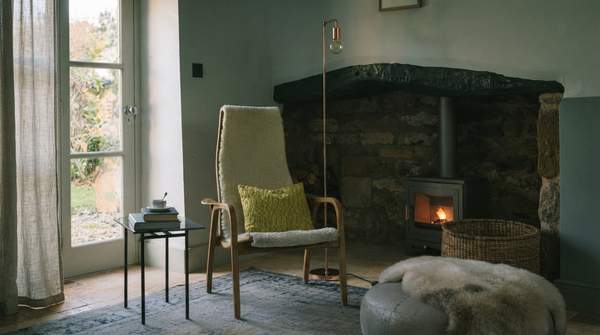
You don't need a spare room or a designer budget to build a reading nook that actually pulls you away from your screens. What you need is a small, deliberately chosen spot — a bedroom corner, a living-room nook, even a balcony — where devices simply don't come in, and where every object invites you to settle in with a paper book instead.
Why Create a Digital Detox Reading Nook?
Here's the honest truth about modern life: our screens follow us everywhere. As the homeware brand balè puts it, connectivity often feels like "a constant hum in the background of our lives," following us from the office to the kitchen and eventually into our bedrooms. That hum makes it genuinely hard to decompress.
A detox nook flips the script. It's a space designed for one purpose — to help you disconnect from the screen and reconnect with yourself. Therapist Rebecca Leon of Wove Therapy recommends designating tech-free zones in the home, such as a cozy reading nook, and using them for activities that promote relaxation and connection: reading, meditating, or conversation. True Nature's wilderness therapy guide echoes the idea — designated screen-free spaces offer "sanctuary."
One caveat worth naming: this is design and wellness advice, not medical treatment. A nook supports a digital detox habit; it doesn't replace professional help for anything like technology addiction.
Step 1: Choosing the Right Location
Start small. Dr. Lisa Koche's guide to creating a digital detox space is clear that you don't need a large area — a small corner in your bedroom, a nook in your living room, or even a spot on your balcony can work beautifully.
The real selection criterion isn't square footage. It's boundaries. The location should be a place you can declare device-free, so the space itself does the work of enforcing your intention. That physical boundary is what turns a nice chair into a detox nook.
Practical filters: pick a spot away from the TV, away from where you usually charge your phone, and ideally near a window if you like daytime reading. Then tell your household. Koche suggests letting family or housemates know about the space and its purpose, and encouraging them to respect your time there — or better, inspire them to build their own.
Step 2: Designing for Sensory Silence
This is the step most people skip, and it's the one that makes the nook feel restorative rather than just tech-free. balè calls it sensory silence: leaning into a palette of organic materials and neutral tones that allow the eyes to rest.
Think of it as reducing cognitive load through your senses, one channel at a time:
- Visual: Neutral tones, wood, rattan, linen — nothing loud, nothing glowing.
- Tactile: Natural fibers and textures that invite touch. Koche suggests mindfulness objects like a Zen garden, a singing bowl, or worry stones — tactile anchors that ground you in the present moment.
- Auditory: Calming sounds such as nature sounds or soft instrumental music, per Koche's sensory-experience guidance.
These choices come from design and wellness principles, not clinical research — but the logic is straightforward. Every sensory input you soften is one less thing competing for your attention while you read.
Step 3: Selecting Comfort and Light
Every nook needs an anchor piece — one central item of furniture that defines the space. balè suggests a deep, generous lounger if you have the room; a teak daybed bridges the gap between sofa and bed, with enough support for reading and enough comfort for a nap. A comfy armchair works just as well in a smaller footprint.
One firm rule from the Caregiving Club's nook guide: not your bed. The bed is for sleeping — keep the reading association separate.
Then add a small side table or shelf for your book, a beverage, and your reading glasses, so they're always there when you need them. And don't skimp on lighting. Natural window light is lovely for daytime reading, but for evenings you'll want a floor lamp or a small task light. The Caregiving Club adds a detail worth remembering: as we age, our pupils need more light — roughly twice as much at 60 as at 20. Proper lighting reduces eye strain and keeps the nook usable year-round.
Step 4: Incorporating Analog Activities and Elements
Stock the space with things that only work offline. Physical books first, obviously. But Koche's guide widens the menu: gentle yoga or stretching to release tension, and a few minutes of mindful breathing to center yourself before you read.
Keep a journal nearby, or art supplies. Gibsons' digital detox guide suggests DIY crafts and upcycling — upholstering old furniture, framing finished jigsaw puzzles as decoration, or hunting charity shops for sustainable finds. A detox jar, True Nature's playful idea, can turn your offline intention into a daily ritual.
The point isn't to fill the nook with stuff. It's to make sure that when you sit down, your hands have somewhere to go that isn't a screen.
Digital Detox Nook Design Checklist
Here's the whole framework in one place. Work through each row, and you'll have covered every environmental and functional aspect of the space.
| Design Aspect | Recommendation | Why It Helps |
|---|---|---|
| Location | Choose a quiet, tech-free zone — a bedroom corner, living-room nook, or balcony where devices are not allowed. | Creates a physical boundary that supports digital disconnection. |
| Seating | Select a comfortable anchor piece: a deep lounger, daybed, or comfy armchair — not your bed. | Comfort is key for extended reading and relaxation. |
| Lighting | Use soft, filtered light — a window for daytime, a floor lamp or task light for evenings. Avoid harsh overheads. | Proper lighting enhances comfort and reduces eye strain. |
| Sensory Elements | Prioritize sensory silence: neutral tones, organic materials, calming sounds, and tactile objects like worry stones or a singing bowl. | Lets the eyes rest and reduces cognitive load; creates a calm, inviting atmosphere. |
| Materials | Use natural fibers and textures — wood, rattan, linen. | Provides a grounding effect and encourages presence. |
| Analog Activities | Stock physical books, a journal, art or craft supplies, and space for yoga, stretching, or mindful breathing. | Supports the purpose of the detox and mindful engagement. |
A note on products: any furniture or objects named here are illustrative types, not brand endorsements. A secondhand armchair and a charity-shop side table check the same boxes as anything new.
Sustaining Your Mindful Reading Practice
The nook is the setup; the habit is the payoff. Regularly use and maintain your digital detox nook to foster consistent mindful reading and relaxation habits. Keep the device rule absolute, keep the glasses and the current book on the side table, and let the household boundary hold.
Watch for one measurable indicator: increased frequency of screen-free reading sessions, and a sustained sense of calm and focus during those times. If you're reaching for the nook more often than you were reaching for your phone a month ago, the space is doing its job.
Sources
- Digital Detox Nook: How to Design with Natural Fibers — balè
- How Digital Detoxing Can Help You Reclaim Your Mental Wellness — Wove Therapy in NYC
- Digital Detox: Rediscover Your Self in the Wilderness — True Nature
- How to Create a ‘Digital Detox’ Space in Your Home - Dr. Lisa Koche
- Create a Cozy Reading Nook for National Day of Unplugging – March 3 — Caregivingclub
- How to perfect a digital detox in 2022 [GUIDE] - Gibsons