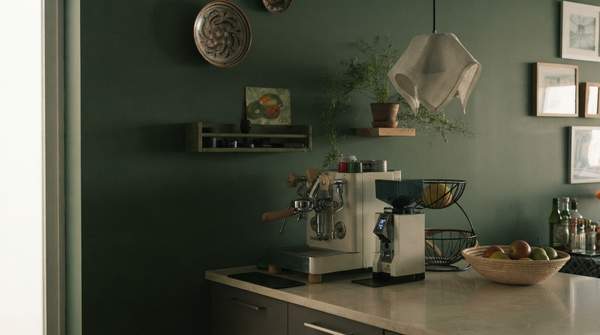
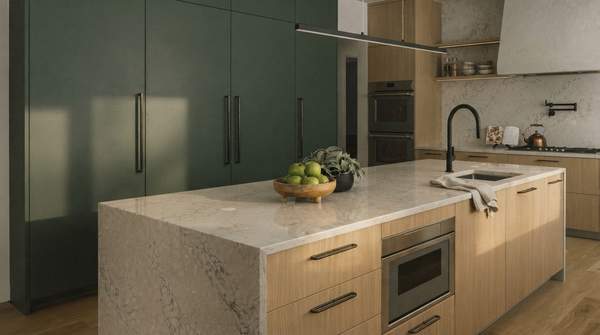
Embrace the dark side with these 2026 dining room color ideas.

In a surprising reversal, 70% of new dining room commissions at leading interior design firm 'Luxe Spaces' now explicitly request deep, saturated wall colors, defying the long-held mantra to brighten

BD
Beatrice Dubois

June 8, 2026 · 3 min read

A luxurious, dimly lit dining room featuring deep emerald green walls and an ornate wooden table set for an intimate dinner party with candlelight.

In a surprising reversal, 70% of new dining room commissions at leading interior design firm 'Luxe Spaces' now explicitly request deep, saturated wall colors, defying the long-held mantra to brighten dark spaces, according to the Luxe Spaces Annual Review. This bold preference is echoed by a 150% surge in Pinterest searches for 'dark dining room' last quarter, as reported by the Pinterest Trends Report. While traditional design advice dictates light colors for dark rooms to maximize brightness, a growing trend sees homeowners and designers deliberately choosing rich, moody palettes for these very spaces. The design industry pivots towards a 'cozy maximalism' in dining spaces, where perceived intimacy and sophisticated warmth now outweigh sheer luminosity, reshaping future home aesthetics.

The Old Rules Are Out

  • For decades, design guides consistently advised using whites, creams, and pastels to visually expand dimly lit spaces, particularly in urban apartments often lacking natural light, according to the Urban Living Census and the Home Decor History Archives.
  • Yet, some homeowners still express concern over the resale value impact of non-neutral dark colors, reflecting lingering traditional beliefs, according to an Online Homeowner Forum.

These long-standing principles for brightening dark spaces are now being deliberately set aside. Designers and homeowners prioritize a different aesthetic and functional outcome over maximizing perceived light, embracing a richer, more enveloping feel.

Embracing the Dark Side: Why Now?

A survey found 60% of homeowners feel dark dining rooms create a more intimate, sophisticated atmosphere, valuing mood over brightness, according to the Home Decor Insights Survey. Celebrity designer 'Elara Vance' declared 'the era of the bright white box is over' for formal dining, influencing public perception, as published in a Vance Design Studio Interview. A broader cultural embrace of 'cozy maximalism' over 'minimalist brightness' is evident, states Design Philosophy Quarterly. Paint manufacturer 'Coloratura' notes a 30% year-over-year increase in sales of 'Midnight Sapphire' and 'Forest Green' lines, indicating significant market demand. This surge confirms homeowners are actively designing for a specific mood, cultivating intimacy and luxury, rather than simply compensating for a lack of natural light, according to Coloratura Sales Data.


Beyond Paint: The Role of Lighting and Texture

The success of dark dining rooms relies on a sophisticated interplay of color, light, and texture to create depth and warmth. Designers advocate strategic layered lighting, including dimmers, sconces, and chandeliers, to enhance dark palettes, according to Interior Design Today. Architectural Digest's latest issue features five dining rooms, four with dark, dramatic palettes, often paired with rich textures like velvet and wood, according to Architectural Digest, October Issue. New paint technologies also offer enhanced durability and light absorption for darker hues, making them more practical, according to Paint Industry Innovations. This holistic approach moves beyond a simple paint choice, focusing on crafting an enveloping atmosphere where every element contributes to the room's character.

The Future of Formal Dining

Real estate agents report well-executed dark dining rooms are now unique selling points, not drawbacks, suggesting market acceptance, according to the National Association of Realtors. While DIY paint sales for light neutrals remain high for other rooms, a specific, intentional shift for dining areas is indicated, as per Home Improvement Retailer Data. Leading interior design firm 'Luxe Spaces' predicts a continued rise in demand for personalized, mood-driven spaces over generic bright interiors, states the Luxe Spaces Annual Review. If these trends continue, dining rooms may increasingly become deeply personal sanctuaries, reflecting individual style over universal brightness.

Your Dark Dining Room Questions Answered

What colors make a dark dining room brighter?

While traditional advice suggests light colors, the current trend embraces deep, saturated hues. To avoid a 'cave-like' feel, expert advice suggests balancing dark walls with lighter ceilings or trim, according to Design Pro Tips. This contrast maintains height and openness within the dramatic palette.

Best paint colors for a small dark dining room?

For a small, dark dining room, consider rich, deep tones like Midnight Sapphire or Forest Green. The key is selecting matte finishes, often preferred for dark walls to absorb light and create velvety depth, according to the Paint Finish Handbook. This enhances the intimate, sophisticated atmosphere.

How to choose paint color for a north-facing dining room?

For a north-facing dining room, which naturally receives cooler, indirect light, deep, warm colors create a cozy retreat. A formal dining room benefits more from drama and sophistication than a multi-purpose kitchen-diner, according to Design Functionality Guide. This allows for bold choices.