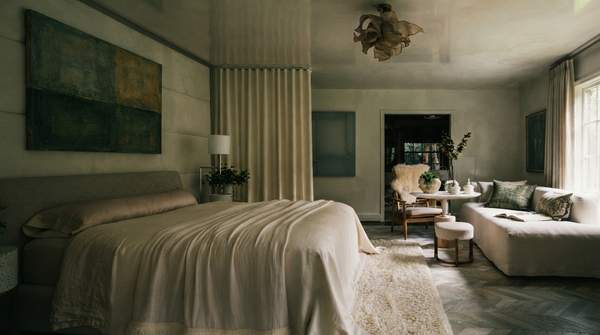
In a world that relentlessly demands more of our time and attention, the concept of "slow living" has emerged as a necessary antidote. It’s a philosophy centered on slowing down to live with more intention and ease. This isn't about abandoning ambition, but about reclaiming our peace, and there is no better place to start than within our own four walls. By making conscious choices in our environment, we can transform our homes from mere living spaces into genuine sanctuaries that actively support our well-being and allow us to disconnect from the constant rush.
Embracing Slow Living: Your Home as a Sanctuary
The core idea of a slow living home is to create an environment that fosters a sense of peace and presence. It’s a direct response to the pressures of a fast-paced world. As psychologist Samar Cajal explains, "We've become so used to the constant rush that we often don't realise the toll it's taking until we feel utterly exhausted and burnt out." In this context, our homes should serve as a refuge—a place to breathe, tune out external noise, and feel truly at ease. This approach to interior design prioritizes mindfulness over excess and quality over quantity, helping you create a space that invites you to savor each moment and live with greater intention.
Mindful Decor and Furnishings
A thoughtfully designed space does not need to be complex. In fact, simplicity is often the key to fostering relaxation and connection. A decluttered and intentional home provides the mental space needed to unwind. This involves prioritizing high-quality, ergonomic furniture that promotes comfort and stress-free living. By integrating soft textures and warm lighting, you can create an atmosphere of serenity and tranquility. Consider creating dedicated cozy nooks, such as a reading corner with a plush chair, which can offer a personal retreat from the chaos of daily life and provide a designated space to decompress.
Cultivating Connection to Nature
Wellness-focused design emphasizes the profound impact our homes have on our physical and emotional health. A crucial element of this is our connection to the natural world. Maximizing natural light, for instance, plays a significant role in regulating sleep cycles and influencing mood. When possible, design choices should enhance sunlight exposure. Beyond light, incorporating natural elements directly into your decor can help create a home that radiates serenity. This practice, central to the slow living philosophy, helps us tune out the noise of the outside world and stay present, allowing our homes to become places where we can truly recharge.
Establishing Daily Rituals for Well-being
A slow living home supports and encourages mindful habits. The goal is to find a spot within your home that allows you to escape the daily grind. This can be achieved by establishing simple rituals that help wash away the day's stress. For example, a long soak in a hot bath with candles and essential oils can be a powerful tool for quieting the mind. According to Samar Cajal, even a mindful shower with aromatic soap and a few deep breaths can be just as effective for slowing down. The key is to intentionally design moments of calm into your routine, using your home as the backdrop for these restorative practices.
Navigating Technology with Intention
While it may seem counterintuitive, technology can play a role in a slow living home, provided it is used wisely and with intention. Smart devices can be leveraged to support a healthier lifestyle by monitoring air quality, controlling lighting to match circadian rhythms, or playing calming soundscapes to enhance well-being. However, balance is essential. It is equally important to designate "unplugged zones" within the home where screens and devices are put away. Creating these tech-free areas promotes a more mindful existence and ensures that technology serves to enhance, rather than disrupt, the peaceful sanctuary you are creating.
Your Personalized Slow Living Home Framework
To begin transforming your space, it helps to categorize actions into distinct areas. This framework can guide your choices, allowing you to build a home that aligns with your personal needs for peace and intentionality. By focusing on these four pillars, you can create a personalized plan that feels both manageable and meaningful.
- Mindful Decor & Furnishings: The goal here is to reduce mental clutter by curating your physical space. This involves decluttering and selecting items with purpose, which fosters a sense of calm. Focus on quality over quantity and choose ergonomic, comfortable furniture to create an environment that supports stress-free living.
- Connection to Nature: Integrating natural elements enhances serenity and well-being. Maximize natural light where possible and consider adding plants or using natural materials in your decor. A home that feels connected to the outdoors helps you recharge and stay present.
- Daily Rituals & Habits: Your home should be a stage for restorative practices. Establish mindful daily rituals, like taking an intentional bath or shower, to wash away stress. Designating a specific "cozy nook" for relaxation can help you reclaim balance and provides a dedicated space to unwind.
- Technology Boundaries: Use technology to support, not disrupt, your well-being. Create designated "unplugged zones" to encourage digital detox. At the same time, you can leverage smart devices to control lighting or play calming sounds, ensuring technology serves your goal of a more intentional life.
Embracing a More Intentional Life
Creating a slow living home is not a one-time project but an ongoing practice of making intentional choices. It is about designing a life, and a home, that allows you to disconnect from the noise and reconnect with yourself. Readers should begin implementing changes in their home's design, organization, and daily routines based on the slow living framework to foster a calmer environment. The true measure of success will be a noticeable increase in feelings of peace, presence, and reduced stress within their home environment. By weaving these principles into the fabric of your home, you build a foundation for a more mindful and fulfilling life.