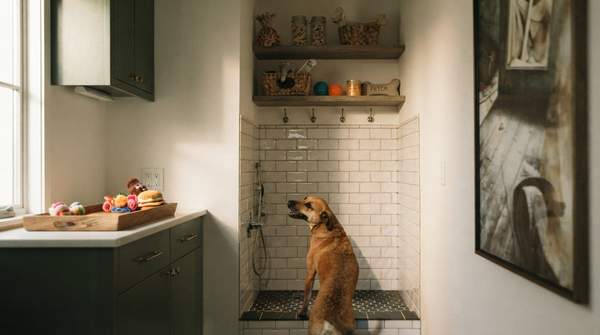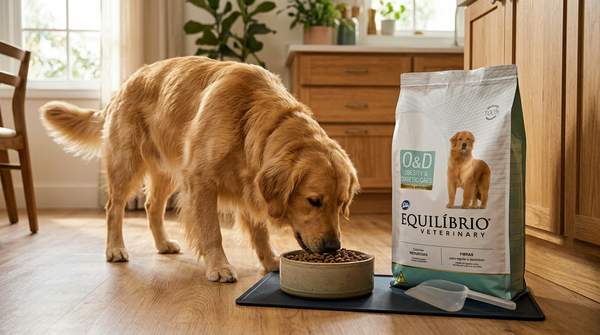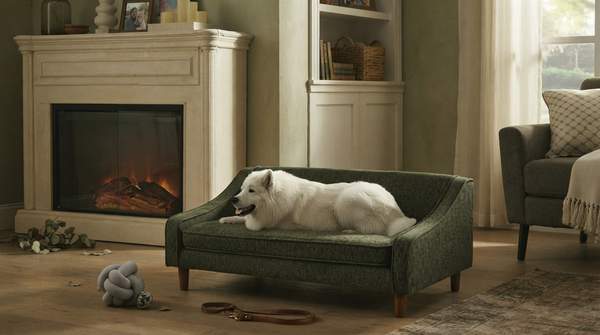
Living with pets doesn't mean surrendering your sofa to fur or your floors to chaos. The design problems pets create—shedding, scratched furniture, scattered toys, and awkward feeding corners tucked wherever there's room—each have specific, stylish fixes rooted in material choice, layout, and storage. The trick is to stop treating "pet-friendly" as one vague virtue and start treating it as a set of distinct problems, each with its own answer.
That's what this guide does. It maps the four challenges pet owners most often run into—fur and odors, scratches and wear, clutter, and the lack of a proper pet zone—to concrete solutions across three categories: what things are made of, where they go, and what holds them. None of it requires renovation, construction, or special equipment. All of it can be layered into an existing home, one decision at a time.
Creating a Harmonious Home for Pets and People
Pet-friendly design starts with one honest admission: pets will shed, scratch, and scatter. As WestCorp's apartment decorating guide puts it, pets' playful, sometimes unpredictable behavior means they can "unintentionally cause damage to your belongings," and the goal of pet-conscious decor is to minimize that risk and ensure the longevity of your furniture and accessories. That framing matters more than it might seem. You're not fighting your pet; you're choosing surfaces and layouts that absorb the wear instead of showing it.
The good news is that none of this requires a contractor. Every strategy in this article works through furniture, textiles, rugs, and storage you can introduce in a weekend. Think of each pet-related annoyance as a small design brief with three possible answers: a better material, a better placement, or a better container. Fur on the couch is a material problem. Toys underfoot is a container problem. Food bowls in the walkway is a placement problem. Diagnose first, then fix.
Color and texture are part of that diagnosis. Interior design writer Sarah Murray, writing for RMCAD, points out that strategic choices like earth tones, mid-range neutrals, and multicolor patterns are "excellent at concealing pet hair and minor stains," while textures like tweed or distressed finishes hide wear more effectively than smooth, solid surfaces. In practice, that means a gray tweed armchair or a patterned rug buys you real time between cleanings—your home looks polished even when a smooth white sofa in the same room would be broadcasting every stray hair.
Safety belongs in the same conversation, not as an afterthought. Erica Shepard, owner and principal designer at Shepard Design Studio, pairs eliminating potential household hazards with creating designated areas where pets can roam freely. Safety and style aren't competing goals here; a home with managed cords, stable furniture, and secured cabinets is both easier on the eye and easier on the animal. The framework below treats it as a design layer, not a separate checklist.
One more mindset shift before the matrix: stop expecting perfection. A home designed around a pet will look slightly different from a showpiece—and that's the point. Design that accounts for daily life, shedding and all, stays looking good for years. Design that ignores it starts deteriorating by the second month.