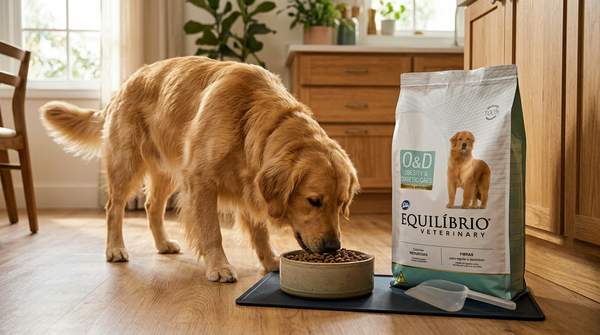
Choosing dog food can feel complicated when shelves offer formulas for puppies, adult dogs, senior pets, different breed sizes, and specific dietary concerns. The right choice depends on more than a familiar brand or an appealing package. Your dog’s age, body condition, activity level, health history, and individual preferences all help determine which food makes sense.
For pet owners in Costa Rica, Gordon Store offers an online catalog of dog food options from brands including Purina, Farmina, Equilibrio, NutriSource, and 1st Choice. Understanding what to look for can make it easier to compare products, ask useful questions, and choose a formula that fits your dog’s needs.
Start With Your Dog’s Life Stage
Puppies grow quickly and need food formulated to support development. Their nutritional requirements differ from those of adult dogs, so look for a product labeled for puppies or growth and confirm that it suits your dog’s expected adult size. Large-breed puppies can have different growth needs from small-breed puppies, making the specific formula important.
Adult dogs generally need a complete diet suited to maintaining their condition and everyday activity. A highly active dog may have different energy needs from a companion who spends most of the day relaxing indoors. Senior dogs can also benefit from diets designed for their age, although age alone does not determine which formula is best. Changes in weight, mobility, appetite, or digestion should prompt a conversation with your veterinarian.
Gordon Store’s catalog includes options labeled for puppies, adult dogs, and senior dogs, including formulas for small, medium, and large breeds. These distinctions give shoppers a practical starting point when narrowing the choices.
Consider Size, Activity, and Body Condition
Breed size can influence feeding requirements, kibble preferences, and the type of formula worth considering. Small dogs may do better with food designed around their size, while large dogs may need a formula intended for their growth stage or adult maintenance. Always check the product label rather than relying on the breed name alone.
Activity matters, too. A dog that regularly runs, hikes, or participates in demanding play may use more energy than a less active dog of similar size. Portion size is equally important: even a suitable food can contribute to unwanted weight gain when portions exceed an individual dog’s needs.
Look at your dog’s body condition over time. If you are unsure whether your pet is underweight, at a healthy weight, or carrying excess weight, ask a veterinarian to assess them and recommend a feeding plan. Gordon Store lists products with weight-management positioning, including an Equilibrio Obesity & Diabetic formula. Products intended for specific health needs should be selected with professional guidance, particularly when diabetes or another medical condition is involved.
Read the Label Instead of Shopping by Packaging
Packaging and marketing terms can draw attention, but the details on the label are more useful. Check the intended life stage, feeding instructions, ingredient list, nutritional adequacy statement where applicable, and any specific claims about the formula. Compare products according to your dog’s actual needs rather than assuming that a higher price automatically makes one option better.
If your dog has a known food sensitivity, ask your veterinarian how to identify appropriate ingredients and whether a veterinary diet or a controlled food trial is needed. Gordon Store lists options such as 1st Choice Adult Hypoallergenic and Farmina UltraHypo for dogs. Their presence in a catalog does not mean either product is right for every dog with itching, digestive upset, or suspected allergies. These symptoms can have several causes, so professional advice is important before changing diets repeatedly.
For dogs with diagnosed kidney, digestive, or other medical conditions, therapeutic food decisions should also be made with a veterinarian. A product label can help you understand what a formula is designed for, but it cannot replace an individualized recommendation.
Make a Food Change Gradually
Even when a new food appears suitable, switching suddenly can upset some dogs’ digestion. Unless a veterinarian advises otherwise, transition gradually by mixing increasing amounts of the new food with the old food over several days. Follow the instructions on the product and monitor your dog’s appetite, stool, energy, and comfort during the change.
If your dog develops persistent vomiting, diarrhea, significant itching, refuses food, or seems unwell, contact a veterinarian rather than assuming the food is the only possible cause. Keep the packaging available so you can share the product name and ingredient information if needed.
It also helps to record how much you feed and how your dog responds. A simple note about meal portions, treats, activity, and body condition can make future conversations with your veterinarian more productive.
Compare Practical Details Before You Buy
Once you have identified the type of food you need, compare the available products and pack sizes. A larger bag may suit a household with more than one dog, while a smaller package can be useful when you are trying a product for the first time. Check storage guidance and make sure you can keep the food sealed in a cool, dry place.
Think about how easily you can replenish the food as well. Running out unexpectedly can create pressure to switch products without planning. Keeping track of the remaining supply and ordering ahead can make feeding routines more consistent.
Gordon Store organizes its online catalog around pet products and includes a range of dog food choices from recognized brands. Shoppers can review the available options and contact the store’s team through WhatsApp if they need help locating a product or understanding its listing. Confirm current availability, package sizes, and prices when ordering, as catalog details can change.
Use Personalized Help When You Need It
If several formulas appear similar, prepare a few specific questions before contacting a retailer. You might ask which products are labeled for your dog’s life stage, what package sizes are available, or whether a particular item is currently in stock. For questions about allergies, weight problems, digestive symptoms, or a medical diagnosis, consult your veterinarian first and use the professional recommendation to guide your shopping.
This approach helps separate product information from health advice. A retailer can assist with finding listed products, while a veterinarian can evaluate your dog and recommend a suitable nutritional plan.
Find a Food That Fits Your Dog
Choosing premium dog food is easier when you begin with the needs of the individual dog, read labels carefully, and review options with realistic expectations. Life stage, size, activity, body condition, and health history are more useful decision points than packaging alone.
Gordon Store gives Costa Rican pet owners a place to explore dog food options across several brands and formula types. Browse the catalog with your dog’s needs in mind, compare product details, and reach out to the team for help with shopping questions. With a thoughtful selection process and veterinary guidance when necessary, you can make a more informed decision about your dog’s everyday nutrition.