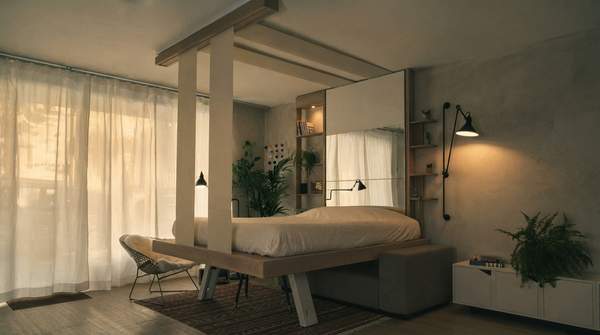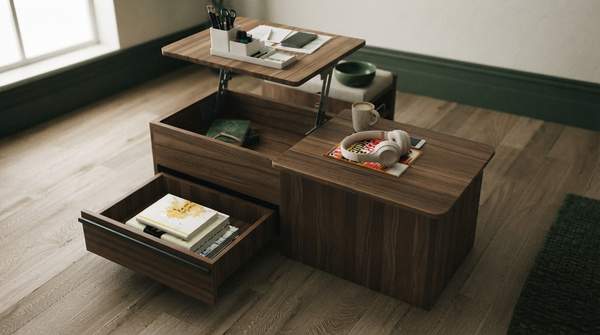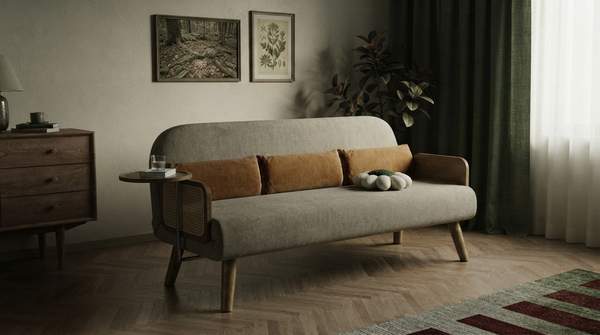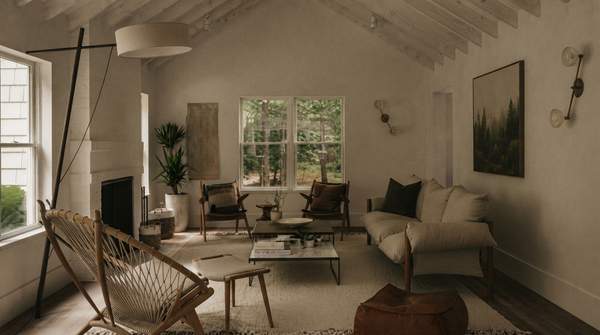
Here's the short answer: a Scandinavian-style home works when you let two ideas run together rather than choosing between them. Hygge, a Danish and Norwegian word, describes a mood of everyday comfort, coziness, and contentment. Lagom, a Swedish word, means "not too much, not too little — just enough." Hygge gives you the soft blankets and candlelight; lagom keeps the room from drowning in them. Get the balance right and you end up with a space that feels warm and lived-in without tipping into clutter or, at the other extreme, cold minimalism.
Introduction to Scandinavian Aesthetic: Hygge and Lagom
Why do Nordic interiors inspire so many of us? GearDen's decorating writer Hyacinth Tagupa puts it in a nutshell: Scandinavians have "mastered the art of creating a cozy, balanced, beautiful home," and she traces it to these two lifestyle concepts. They're not competing styles — they're complementary instincts.
Hygge is about feeling. It's a word for a cozy, content sense of well-being, and it shows up in decor as warm light, natural materials, and soft textures. Lagom is about measure. In decorating, as Tagupa explains, it refers to "the balance between livability, practicality, and aesthetics" — just the right amount of decorating, neither grandiose nor starkly minimalist.
The two share a foundation, too. The Modern Dane's guide to Nordic concepts notes that moderation and balance run through Scandinavian culture and its interiors: balancing color, texture, and natural elements is how a home achieves lagom. So the coziness of hygge and the restraint of lagom are two halves of one tradition, not separate camps.
Understanding Hygge: Creating Coziness and Comfort
Think of hygge as a lifestyle centered on comfort, warmth, and connection — curling up with a good book by the fire, sharing a candlelit meal, or simply relaxing in a room filled with soft textures and warm light. Scandinavian Designs' beginner's guide describes it as "creating a personal sanctuary in all your living spaces," built through furniture, decor, and your own personal touches.
As a design philosophy, hygge leans on layered textures, warm lighting, and airy, uncluttered spaces — all curated to calm the senses. That last detail matters: hygge was never about stuff piled everywhere. It's about the quiet, soothing sense of order that lets you exhale.
In practice, that means plush throw blankets, a soft rug underfoot, airy linen bedding, and warm wood furniture. A cozy corner with an accent chair, a drapey throw, and a few favorite books is a classic hygge move — a small retreat you look forward to at the end of the day.
Embracing Lagom: The Art of 'Just Enough' Balance
Lagom arrived as the Nordic buzzword after hygge, and it's stricter about what earns a place in the room. La Fabbrica AVA's design guide frames the first rule of a Scandinavian-style home as simplicity itself: "just a few carefully selected elements, able to meet both aesthetic and functional needs. No visual overload."
That's the lagom test in one sentence. Every piece should do a job — and look good doing it. A lagom home is clean, spare, and practical, but as Tagupa emphasizes, also "utterly comfy and inviting." Achieving it means being deliberate about your choices, with a cohesive decor scheme, while letting the space keep a natural ease.
Worth knowing: lagom isn't universally beloved even in Sweden. Houzz's coverage notes that artist Ulrica Hydman-Vallien, known for her colorful glassware, calls lagom "the expected, in-between, nice and boring, blandly Swedish." So if your taste runs bold, lagom is a guardrail, not a law.
Decision Framework: Balancing Hygge and Lagom
So how do you actually make choices when one instinct says "add another blanket" and the other says "put it back"? Use this matrix. For each decorating decision, ask what hygge would add, what lagom would trim, and land in between.
| Dimension | Hygge says… | Lagom says… | Your balanced move |
|---|---|---|---|
| Core principle | A mood of coziness, comfort, and contentment — well-being and connection first. | "Not too much, not too little — just enough": balance and moderation. | Let comfort lead, but cap quantities at what a room can hold without visual noise. |
| Focus in decor | A personal sanctuary: soft textures, warm light, inviting spots for relaxing and gathering. | Simplicity, order, and functionality — each element serves aesthetic and practical needs. | Design cozy zones (a reading chair, a dining corner) inside an ordered, uncluttered whole. |
| Key elements | Soft blankets, pillows, candles, natural materials, layered lighting for warmth. | Functional furniture, uncluttered surfaces, neutral palettes, carefully selected pieces — quality over quantity. | Choose fewer, better textiles and lights, each one tactile and useful. |
| Potential pitfall | Too much and it drifts into clutter — cozy, not chaotic. | Too little and it turns stark, cold, impersonal — "just enough," not absolute minimalism. | Audit both directions: remove what overwhelms, add back what softens. |
The reasoning path is simple. Hygge and lagom fail in opposite directions — one toward clutter, one toward coldness — so each acts as the other's corrective. When a room feels too spare, borrow hygge's tools: a throw, a candle, a rug. When it feels heavy, apply lagom's test: does this piece meet both an aesthetic and a functional need? If not, it goes.
Selecting Core Elements for a Scandinavian-Style Room
With the framework in hand, here's your practical palette of materials and object types, drawn from the same sources.
- Wood everywhere. IKEA's Scandinavian folklore styling suggests furniture in natural, antique-stained pine with earthy tones. Houzz adds that wood is "the magic ingredient that keeps Scandinavian style warm and inviting, even when cool in tone" — bare floors, or wood in picture frames, bowls, and accessories.
- Natural textiles. Layer up with wool and jute rugs, rattan, linen bedding, and battered leather, paired with natural stoneware and vases of pale blooms.
- Layered lighting. Long nights mean more lights: pendants, table lamps, and floor lamps, with bulbs in different colors or temperatures to match the mood — plus candlesticks for that hygge glow.
- Functional, minimal furniture. A stylish daybed with built-in storage is the archetype: comfortable, purposeful, and clutter-controlling in one piece.
- Softening greenery. Houseplants — Houzz specifies green rather than brightly flowering ones — soften a minimal space without adding visual noise.
Notice that every item on this list passes both tests. Wood, wool, and layered lamps are hygge-warm; storage furniture, uncluttered surfaces, and a restrained plant choice are lagom-practical. That overlap is exactly why the style coheres.
Your Balanced Scandinavian Home: A Continuous Practice
Here's the decision to carry forward: continuously assess your living space to ensure it maintains a balance between inviting coziness (hygge) and functional simplicity (lagom), adjusting decor as needed to suit your comfort and practical requirements.
This isn't a one-time makeover. Seasons change, routines shift, and rooms drift — a little too spare in winter, a little too full by spring. The measurable indicator that you've got it right: the space feels both comfortable and uncluttered, with every item serving a purpose or contributing to a sense of well-being.
Walk your rooms with that sentence in hand. When something fails both tests — neither useful nor soothing — that's your next edit. When a corner passes lagom but feels cold, that's where the next throw or candle belongs. That ongoing, gentle recalibration is the real Scandinavian habit, and it's one anyone can practice.
Sources
- Nordic Know-How: Hygge, Lagom and More Scandinavian Concepts Explained — The Modern Dane
- For A Cozy Home, Try the Scandinavian Art of Hygge and Lagom — GearDen
- A beginner’s guide to hygge — Scandinavian Designs
- Scandinavian-Style Interior Design: 5 Golden Rules to Get It Right - La Fabbrica AVA
- HOUZZ
- Master A Hygge Interior for Cozy Gatherings — IKEA