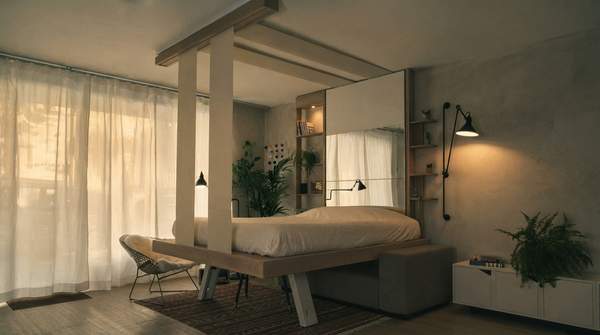
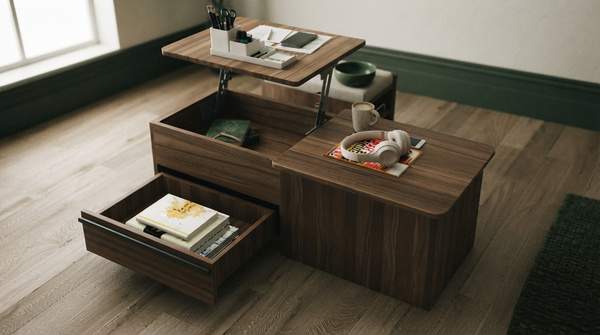
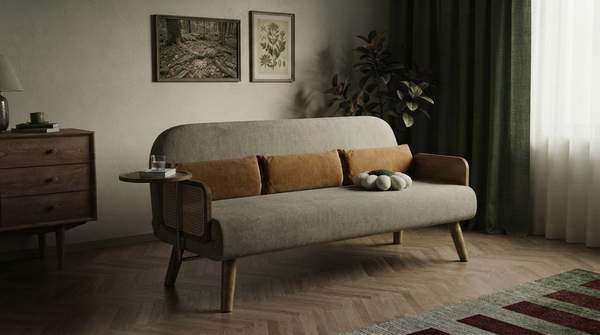
After years of restless nights in a cluttered, uninspired blue room, Sarah Chen invested in a minimalist 'modern sanctuary' renovation. The result? A reported 40% improvement in sleep quality and a significant reduction in daily stress within weeks, according to Personal Wellness Tracker Data. Many view bedroom renovations as superficial aesthetic upgrades, but Chen's project proves otherwise. Chen's project shows a profound, measurable impact on mental health and daily function, challenging the notion that design is merely decorative. Intentional design for personal spaces is becoming a recognized strategy for mental health and self-care, moving beyond mere interior decoration.
The Cost of Clutter: Why Uninspired Spaces Fail Us
Before her renovation, Chen's room was a typical example of an unoptimized space, filled with mismatched furniture and visible clutter, lacking dedicated zones for relaxation, as shown in Pre-renovation Photos. This isn't unique: 65% of adults describe their bedrooms as 'functional but uninspiring,' with 30% reporting it contributes to stress, according to the National Sleep Foundation Survey 2023. Traditional design often prioritizes storage over creating a holistic environment for rest, as noted in the Interior Design Trends Report 2022. This oversight means millions unknowingly tolerate suboptimal personal spaces, missing crucial opportunities for daily improvements in mood and rest.
Crafting Calm: The Elements of a Modern Sanctuary
Chen's sanctuary incorporated a muted palette of deep ocean blues and soft grays, chosen for their calming psychological effects, according to a Color Psychology Study, University of Arts London. Smart lighting systems were installed, programmed to mimic natural circadian rhythms, aiding in sleep induction and morning wakefulness, states Lighting Designer Notes. Natural materials like reclaimed wood and linen textiles further enhanced sensory comfort and connection to nature, detailed in the Materials Supplier Invoice. The deliberate integration of color, light, and natural elements, combined with minimalist principles, was crucial in transforming the room's energetic footprint and proving that thoughtful design directly impacts well-being.
The Wellness Imperative: Why Sanctuaries Are Essential Now
The pandemic significantly increased time at home, driving a 75% rise in home improvement spending focused on personal comfort and well-being, states the Houzz 2023 Renovation Report. The 75% rise in home improvement spending aligns with the growing recognition of 'restorative environments' in urban planning and interior design, acknowledging the therapeutic benefits of well-designed spaces, according to the Environmental Psychology Journal, Vol. 45. Research further links cluttered or poorly designed spaces to increased anxiety and decreased cognitive function, published in the Journal of Environmental Psychology. Our homes, especially personal spaces, are now critical tools for mental resilience and self-care in a demanding world.
Beyond the Bedroom: The Future of Intentional Design
The impact extends beyond the bedroom: Sarah Chen is now applying 'sanctuary' principles to her home office, citing improved focus and reduced procrastination, according to a Homeowner Interview. The application of 'sanctuary' principles is gaining traction, with design firms reporting a 30% increase in client requests for 'wellness-focused' renovations in the last year, states the AIA Home Design Trends Survey 2023. Experts predict a rise in 'prescriptive design,' tailoring spaces for specific psychological and physiological benefits, according to the Future of Design Summit Report. Interior design is clearly transcending aesthetics, becoming a proactive strategy for enhancing human performance and emotional well-being.
Based on the measurable improvements in well-being and the rising demand for restorative spaces, intentional design for personal sanctuaries will likely become a cornerstone of modern self-care and productivity strategies.