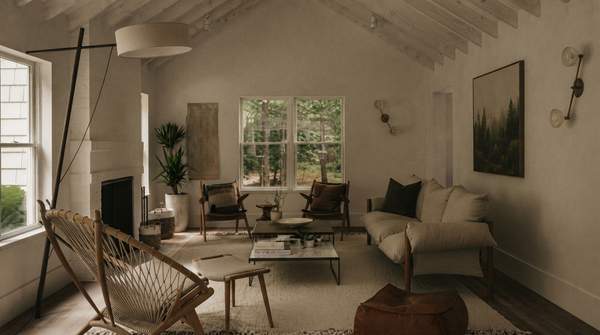
A vibrant 1959 A-frame mountain retreat, famously lacking a television, just sold for $3 million. This 'Rainbow Retreat' in Aspen tripled its $1 million asking price in a bidding war among Silicon Valley executives, according to Mountain Living Magazine. A prominent tech CEO, known for advocating digital wellness, purchased the property, according to Bloomberg Tech.
Modern life is increasingly digital, yet the most coveted luxury properties now offer complete disconnection. This market for 'analog luxury' will likely expand significantly, driven by a desire for genuine escape and a premium on digital scarcity.
The 'Rainbow Retreat' and the Rise of Analog Luxury
- Sales of 'off-grid' or 'digital-detox' properties have surged 150% in the last two years (2024-2026), according to Luxury Real Estate Report.
- Properties with unique, preserved historical features see higher appreciation rates than new builds with standard amenities, according to Sotheby's International Realty.
- Luxury 'no-tech' rentals command a 30% premium over comparable connected properties, according to 2025 Airbnb Luxe Data.
The A-frame's sale isn't isolated. It reveals a burgeoning market for properties offering deliberate digital escape, commanding significant premiums.
Why Disconnection is the New Luxury
Millennials and Gen Z increasingly seek vacation rentals without Wi-Fi or cellular service, according to Travel + Leisure Survey. Studies show even short periods of digital disconnection reduce stress and improve cognitive function, according to Journal of Digital Health.
Celebrities now prefer 'unplugged' getaways, according to People Magazine. Time in nature without digital distractions links to improved sleep and mental clarity, according to Environmental Psychology Review.
This trend shows a widespread desire. High-stress professionals and younger generations want to reclaim mental space and well-being from constant digital demands.
A-Frames: A History of Simple Escapes
A-frames gained popularity mid-20th century as affordable, easy-to-build vacation homes, according to Mid-Century Modern Architecture History. Early designs emphasized nature immersion over indoor entertainment, according to 1950s Home Design Manual. Popular midcentury modern homes now fetch top dollar, according to The Wall Street Journal.