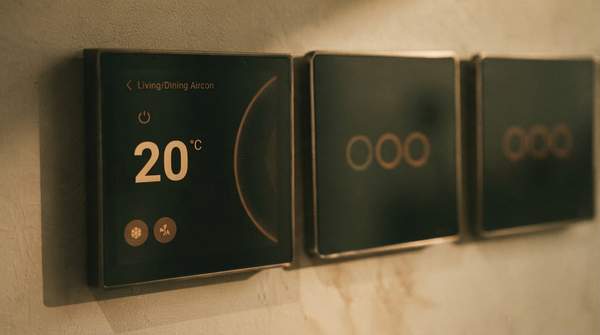
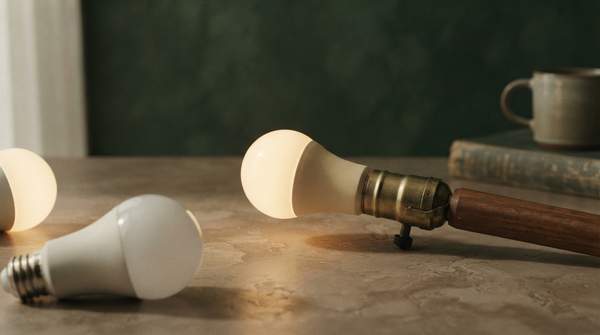
Imagine this: you flip a light switch, and... nothing. For half a second, anyway. Turns out, a smart bulb that takes more than half a second to turn on is perceived by the brain as 'broken,' according to Flyachilles. That tiny hiccup, barely a blink, is enough to make even the fanciest, most energy-sipping smart light feel like a dud. We expect instant gratification from our light switches, not a thoughtful pause.
Here's the rub: the smart lighting market is set for explosive growth and promises serious energy savings. Yet, the hefty price tag for those advanced features, combined with our primal need for lights to just work instantly, creates a real head-scratcher for consumer satisfaction. It's a classic case of futuristic dreams meeting everyday impatience.
So, while smart lighting is definitely gearing up for a major glow-up, whether we actually embrace it will boil down to manufacturers nailing a tricky balance: dazzling features, wallet-friendly prices, and performance so flawless it makes us forget we ever had to wait. Otherwise, that perceived value gap will feel more like a chasm.
The Bright Future: Market Growth and Core Components
Let's talk numbers. The Global Smart Lighting Market, a cozy USD 34,430.6 million in 2026, is set to explode to a dazzling USD 127,455.2 million by 2033, according to Coherent Market Insights. That's a whopping 20.6% compound annual growth rate. Leading this charge? Control Systems, which will gobble up a 54.1% market share in 2026. This isn't just growth; it's a full-blown boom, with the "brains" of smart lighting — the control systems — clearly considered the star of the show. The implication? While everyone's focused on the fancy central command, the humble light bulb itself might be getting short shrift, which could be a problem if the brains are brilliant but the actual light feels... well, broken.
Regional Drivers and Efficiency Gains
Geographically speaking, Europe grabbed a hefty 36.6% slice of the smart lighting pie in 2026, but North America is hot on its heels, expected to be the fastest-growing region with a 30.5% share that same year, Coherent Market Insights tells us. But it's not just about who's buying what where; it's also about saving some serious green. Smart lighting applications can slash energy consumption by a mind-boggling 2% to 93%, according to MDPI. This isn't just a wide range; it's a flashing neon sign that your mileage may vary wildly depending on how you use these things. It means the true energy-saving heroes aren't just the bulbs themselves, but the savvy users who actually bother to optimize their settings and embrace the full suite of smart features, making the "set it and forget it" crowd potentially miss out on bigger savings.

Navigating the Cost of Smart Ambiance
So, how much does this futuristic glow cost? A basic white smart bulb will set you back about $15 to $25, but if you're dreaming of a disco party in your living room, those color-changing beauties jump to $35 to $50 each, according to Security. Thankfully, not all smart lights demand a king's ransom; budget-friendly options like Kasa Smart Bulb and Wyze Bulb can be snagged for under a tenner. And for the truly frugal, multipacks are your friend – a four-pack of Wyze Bulbs, for instance, shaves about $1.25 off each bulb. This pricing landscape means consumers aren't just buying a bulb; they're making a strategic investment decision. The real implication here is that the market is bifurcating: you can get "smart enough" for cheap, or pay a hefty premium for the full spectrum of bells and whistles. It forces us to ask: how much is a seamless, colorful experience truly worth, especially if it might still feel "broken" for half a second?
Why Smart Lighting Needs Speed and Value
Here's the inconvenient truth: many companies are essentially swapping the promise of energy savings for a high risk of user frustration. If a smart light can't snap on in less than half a second, it doesn't matter how many fancy features it boasts or how much the market is growing; our brains just register it as "broken." It's a deal-breaker. The industry's obsession with "Control Systems," which dominate market share, feels like a strategic oversight. What good is a brilliant conductor if the orchestra members are constantly out of tune? A sophisticated central brain is useless if the individual bulbs it commands feel fundamentally flawed. We're shelling out a premium for this tech – remember those $50 color-changers? – but if the industry keeps sidestepping that psychological "broken" threshold, we're just paying more for a potentially irritating experience, not the seamless, futuristic home we were promised. It’s like buying a self-driving car that still needs you to push it up hills.
What are the benefits of smart lighting systems?
Beyond simply saving a few bucks on your energy bill, smart lighting brings some serious perks. Think enhanced security with vacation mode scheduling and remote control, making it look like you're home even when you're sipping piña coladas elsewhere. Plus, it plays nice with voice assistants for hands-free operation, and lets you craft personalized lighting scenes for every mood – from "cozy reading nook" to "full-on dance party."
How do smart lighting systems improve home ambiance?
Forget boring on/off switches. With smart lighting, you're the maestro of your home's mood. Dial in the perfect color temperature, from a warm, sleepy glow to crisp, cool daylight. Or, if you're feeling adventurous, pick from millions of colors to match your vibe, your decor, or even your cat's eyes. This dynamic control lets you create custom scenes for chilling out, focusing up, or entertaining guests, adapting to literally any occasion.
Are smart lighting systems energy efficient?
Absolutely, and here's why: they're built on LED technology, which is inherently a miser when it comes to power compared to those old incandescent energy hogs. But it gets smarter! Features like occupancy sensors mean lights don't stay on in empty rooms (no more lighting a party for your dust bunnies), and daylight harvesting dims them automatically when the sun decides to lend a hand. It’s all about optimizing energy use, not just reducing it.
By 2027, the success of companies like Philips Hue in the smart lighting market will depend on their ability to consistently deliver sub-0.5-second response times across all products, turning advanced features into seamless experiences for consumers.