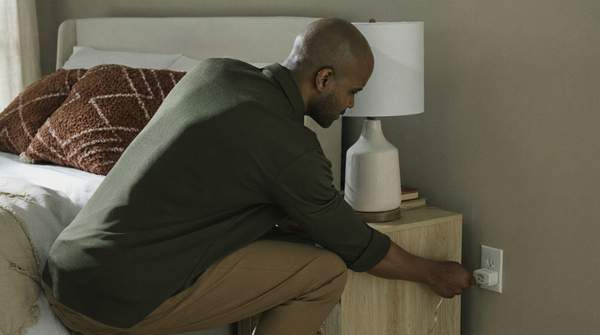
The smart home gadgets most of us buy — an Amazon Echo, a Google Nest speaker, a handful of smart plugs — spend their workdays keeping us productive. But as CNET's Molly Price points out, those same devices can do the opposite job just as well: they can help you slow down and relax after a long day. In my own experience of reading through reviewer-backed gadget coverage, what stands out is how little you need to build a genuinely calming evening. A few device categories, layered together into one automated sequence, can shift your whole apartment's mood in under a minute. Here's how the pieces fit, and how to combine them.
Creating a Relaxing Smart Home Ambiance
The idea behind a relaxation-focused smart home is simple: instead of asking each device to do a task, you ask them to create a feeling. BGR's Suzanne Bonnett frames it well — building a relaxing setup is easier than ever, and the right combination of devices makes it possible to "instantly shift from stressed to relaxed every evening." That framing matters, because it puts the emphasis where it belongs: not on owning any single premium gadget, but on combining categories of devices that each address a different sense. Light for your eyes, sound for your ears, temperature for your body, and scent for the air around you.
One honest note before we go further: this guide deliberately skips two things you might be hoping for. It won't compare specific product models head-to-head, and it won't dig into device privacy policies — the reviewer coverage gathered here simply doesn't support that analysis. What it will do is explain what each device category contributes, and then give you a concrete routine template you can adapt to whatever platform you already own.
Smart Lighting: Setting the Mood
Lighting is where a relaxing evening starts, and where most of us go wrong. Bonnett's advice at BGR is blunt: nothing kills a relaxing evening vibe faster than harsh overhead lights. Bright, cool-toned LED bulbs might be exactly what you want for staying alert during a morning meeting, but as she notes, they trick the brain into staying awake and focused long after the sun sets. That's a real cost to pay at nine o'clock at night.
Smart bulbs — the Govee smart bulbs Bonnett highlights are one affordable example of the category — give you dynamic control over both color and intensity. For relaxation, that means two moves: dimming, and shifting to warmer tones that read as candlelight rather than office fluorescents. The practical takeaway is that your lighting should change when your evening begins. A dimmed, warm living room signals the same thing to your brain that a sunset does.
Smart Soundscapes: Auditory Calm
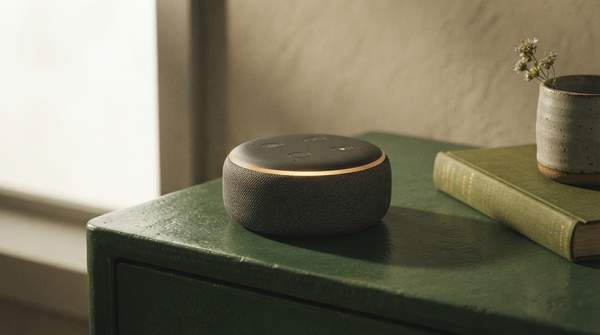
The second layer is audio, and smart speakers are the natural hub for it. Speakers like Amazon's Echo and Google's Nest devices exist primarily to respond to natural-language requests and play audio, which makes them the easiest entry point into a relaxation routine — you likely already own one. The question is what you ask them to play.
A guide on mindfulness-oriented home automation from the Audio Video Pros describes the concept as "soundscapes": ambient sounds programmed to play throughout your home to create a soothing, relaxing atmosphere. The examples they give — gentle rainfall, the soft rustling of leaves, the calming rhythm of ocean waves — are the classics for a reason. The key detail for our purposes is that these soundscapes don't have to be started manually: home automation systems can trigger them at specific times of day, or in response to a command. That's what turns a nice playlist into an actual routine.
Climate Control and Aromatherapy: Comfort and Scent
The third sense is thermal. A smart thermostat handles the temperature question for you, and the timing matters more than you might expect. Jenn Allen, reviewing gadgets for Yahoo Tech, highlights the fourth-generation Nest Learning Thermostat — which carries an Editor's Choice recommendation from Tom's Guide — as a device that learns your routine, so turning the heat down before bed happens on a schedule you never have to think about. The fourth-generation model also includes a separate temperature sensor to account for a second room, which improves accuracy if your bedroom runs warmer or cooler than your hallway.
The final layer is scent. Smart essential oil diffusers now come in two broad flavors. Ultrasonic models like the HOM aromatherapy diffuser — a 400 ml unit with interchangeable LED colors and app scheduling — mix water and oils and let you set schedules and customize moods from your phone. Waterless cold-air models like the XEITIN diffuser take a different approach: no water, app control, a 400 ml oil capacity, and a claimed coverage of up to 3,000 square feet. Reviewers on its Amazon listing repeatedly describe it as reliable, and the HOM product's own marketing leans into mood-setting and customizable ambient light. Either type earns its place in a wind-down routine by releasing scent on a schedule rather than requiring you to remember it.
Your Automated 'Wind Down' Routine Template
Now the part that makes it all click. Below is a four-step template that synthesizes the four device categories above — lighting, audio, climate, and scent — into a single multi-step sequence. Each sensory layer (visual, auditory, thermal, and olfactory) fires in order, so the ambiance builds rather than changing all at once. Treat it as a template, not a literal spec sheet: the trigger wording and temperatures are yours to adjust.
| Step | Device Category | Action |
|---|---|---|
| Trigger | Voice assistant or scheduled time | Say a natural-language phrase such as "start wind down" — or set the sequence for a fixed evening time |
| 1. Visual | Smart lighting | Dim the lights and shift them to a warm, candle-like tone |
| 2. Auditory | Smart speakers | Begin a soundscape — gentle rainfall or ocean waves — playing throughout the home |
| 3. Thermal | Smart thermostat | Turn the heat down to your preferred sleep-time temperature |
| 4. Olfactory | Smart diffuser | Start the scheduled evening scent cycle from the diffuser's app |
The reasoning behind the order is deliberate. Lighting changes first because it's the strongest immediate signal that the day is ending — it's the cue your brain responds to fastest. Sound arrives second to fill the quiet the dimming creates. The thermostat change is passive, working in the background while you settle in. Scent is last because diffusers release slowly, so by the time you notice it, the room has already transformed.
Embrace Automated Calm
The decision this guide supports is simple: implement a personalized wind-down smart home routine to consistently de-stress and enhance your evening relaxation — rather than continuing to operate each device by hand at the moment you're most tired. You don't need a head-to-head product comparison to get there; you need one device from each sensory category and a trigger. The measurable indicator to watch for is a noticeable shift in your home's ambiance and your own relaxation levels, triggered by the automated sequence itself — the moment when the lights warm, the rainfall starts, and the heat eases down without you touching anything. That's the payoff of a mindful smart home, and it's within reach of the devices you probably already own.
Sources
- 5 Nifty Ways Your Smart Home Can Help You Relax and Unwind - CNET
- 5 Home Devices That Can Make Your Evenings More Relaxing - BGR
- The Mindful Smart Home: Automation for Relaxation — Theaudiovideopros
- HOM Smart Aromatherapy Diffuser Set with 6 Essential Oils (10ml each) — HŌM
- Amazon.com: XEITIN Waterless Essential Oil Diffuser 3000 Sq.Ft Coverage | Lasting Scent…