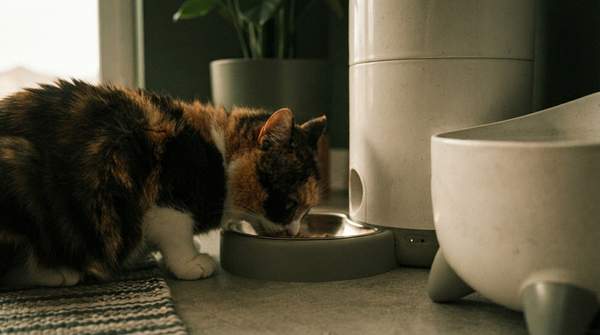
For just $200 (£150), Derek and Sarah transformed a high kitchen cupboard into a cozy, hidden cat nook for Lox and Lottie, their feline companions, according to The Guardian. The clever integration of a high kitchen cupboard into a cozy, hidden cat nook proves pet-friendly design can be both stylish and affordable, challenging the notion that pet spaces must be an eyesore.
Pet essentials often create clutter and aesthetic challenges. But a growing trend of integrated design and stylish products proves pet-friendly living can be seamlessly chic.
As pet ownership grows and design evolves, the market will increasingly favor sophisticated, integrated pet home solutions, making unsightly pet clutter a relic of the past.
Beyond the Bowl: Why Pet Integration is the New Home Trend
Tom Howley's kitchen design company frequently receives requests for built-in feeding stations and integrated bed nooks, according to The Guardian. Requests for built-in feeding stations and integrated bed nooks, frequently received by Tom Howley's kitchen design company, signal that pet features are becoming fundamental to home architecture. Retailers are taking note: Petco's new collections (Draper James, Jupiter, YOULY) and in-store 'Cat World' fixtures, reported by Petco, transform pet essentials from utilitarian purchases into lifestyle statements. The implication? Pet stores are becoming less like hardware shops and more like boutique home goods stores.
Creative Solutions for Seamless Pet Integration
Kiki Rowley created an under-the-stairs nook for her dogs for under £100, and Lauren Meyer built a Prince-themed 'cat bathroom' for litter boxes, both reported by The Guardian. These DIY projects, alongside Derek and Sarah's $200 cat nook, prove that sophisticated pet-friendly design is no longer exclusive to luxury budgets. The accessibility of sophisticated pet-friendly design, proven by these DIY projects, forces traditional home decor brands to consider more accessible, integrated solutions for consumers.
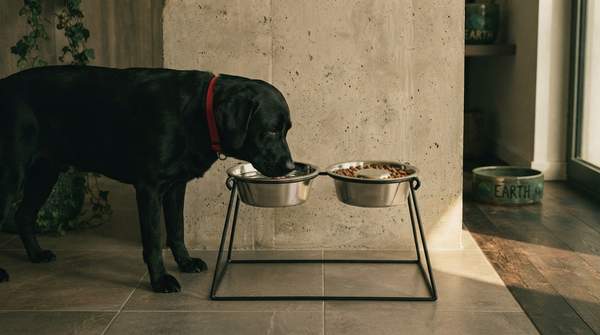
Retailers offer aesthetically pleasing pet products, but true integrated design often requires structural modifications or custom built-ins. A chic dog bed is an accessory; a built-in feeding station changes the home's structure. The distinction between superficial aesthetic upgrades and deep, functional home integration creates a gap. The market for integrated pet design spans a wide cost spectrum, from accessible DIY hacks to luxury custom builds, meaning not all solutions fit all homes or wallets.
Designing Your Home for Both Humans and Furballs
Strategic material selection is crucial. Durable furniture materials like leather or tightly woven textiles, and washable slipcovers, can accommodate pets and ensure longevity, according to Idologyasheville.
Pet-friendly rugs and floor materials like bamboo or tile protect floors from scratches, notes Idologyasheville. Beyond materials, smart spatial planning is vital. Open layouts, designated pet corners, and elevated areas reduce pet stress and provide personal havens. The dual approach of strategic material selection and smart spatial planning ensures a home is truly designed for both species.
Maximizing space and hiding pet essentials can be achieved through built-in storage and multi-purpose furniture, as advised by Idologyasheville. Built-in storage and multi-purpose furniture integrate pet needs seamlessly, benefiting everyone.
How to make pet furniture look good in a modern home?
Integrating pet furniture into a modern home involves selecting pieces that match your existing aesthetic. Look for sleek designs, neutral colors, and materials like wood or metal. Consider multi-functional furniture, such as end tables with built-in dog crates, to blend utility with style seamlessly.
What are the best pet-friendly decor ideas for small spaces?
For small spaces, vertical integration and hidden solutions are key. Utilize under-stair nooks or high cupboards for pet beds or feeding stations, as Kiki Rowley did for her dogs for under £100. Wall-mounted shelves can also offer cats elevated perching spots without occupying floor space.
Can pet accessories be part of minimalist home design?
Yes, pet accessories can fit minimalist design by focusing on clean lines, simple forms, and a limited color palette. Opt for items that serve dual purposes or are easily tucked away, like a sleek pet feeder that blends into kitchen cabinetry. The aim is to reduce visual clutter and maintain a serene environment.
The Future of Pet-Integrated Living
Given the growing demand for integrated solutions and the market's shift towards lifestyle-oriented pet products, pet functionality will likely become a standard consideration in architectural planning and interior design by 2026.