Banyan Tree is launching its first Indian all-villa resort on a private island in the Alleppey district. The new Banyan Tree Kerala features 59 villas, each with a private pool and views of serene waterways. This marks a significant entry into luxury Ayurvedic digital detox retreats in India for 2026, expanding high-end wellness options in the region.
Modern life has made disrupted sleep epidemic. Yet, luxury hospitality now offers immersive, multi-day Ayurvedic programs. These are specifically designed to restore holistic well-being and foster digital disconnection.
Based on Banyan Tree's significant investment and the rising demand for deep wellness, it appears likely other luxury brands will follow suit. This could transform India into a premier destination for high-end, medically-integrated wellness tourism.
A New Era for Ayurvedic Luxury
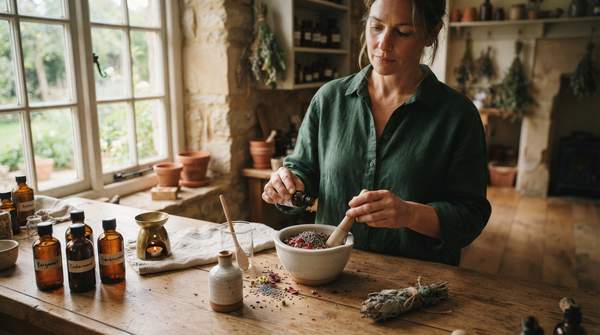
- The Indian retreat will include Banyan Tree’s first dedicated Ayurvedic Centre, offering personalized consultations and tailored treatments, according to Sports Management magazine.
- The resort will offer three-to-seven day wellness programs. These programs include lifestyle consultations, specific treatments, yoga, and in-house activities, as reported by Sports Management magazine.
Banyan Tree's commitment to a dedicated Ayurvedic Centre and multi-day programs reveals a strategic focus on deep, immersive healing. It differentiates the brand from standard spa offerings, targeting chronic modern ailments through comprehensive interventions.
Addressing the Modern Malaise
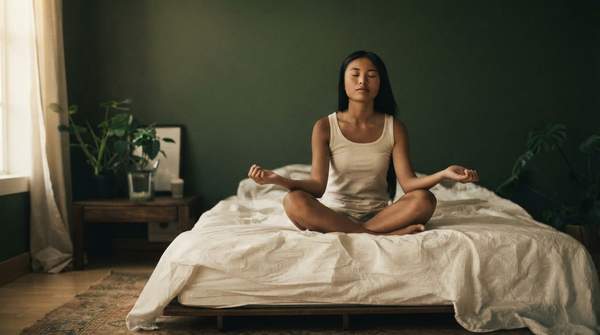
Disrupted sleep has reached epidemic proportions, according to The Hollywood Reporter India. Guests now actively seek relief from issues such as insomnia, sleep apnea, and erratic sleep cycles. This widespread issue confirms a pressing demand for effective interventions.

The Hollywood Reporter India's finding, coupled with Banyan Tree's secluded Ayurvedic offerings, shows luxury brands are now directly addressing global health crises. High-end retreats are transforming into prescriptive interventions for a digitally exhausted world. These destinations serve as crucial havens for holistic recovery and digital detoxification.
The Broader Wellness Trend
Affluent travelers increasingly prioritize health and well-being over conventional tourism. They seek authentic, transformative experiences, moving beyond superficial relaxation. This shift fuels the demand for specialized wellness solutions.
This trend establishes luxury retreats, particularly those leveraging traditional practices like Ayurveda, as essential. Such destinations offer profound disconnection and holistic health benefits. This movement suggests a deeper societal yearning for intentionality, where luxury is redefined not by opulence, but by the opportunity for genuine self-recalibration.
The Future of Luxury Wellness Tourism
Banyan Tree's significant investment in its Indian Ayurvedic Centre sets a clear trajectory for the luxury hospitality sector. Other high-end brands will likely intensify their focus on comprehensive, culturally-integrated wellness offerings. Regions renowned for traditional healing practices, like India, stand to benefit immensely.
This expansion positions luxury retreats as essential health interventions. They offer sustained, structured programs designed to address chronic modern ailments. The demand for profound disconnection and holistic health will continue to grow. Banyan Tree's 2026 launch, therefore, may not just open a resort, but rather inaugurate a new era for India as a global wellness beacon.
Your Questions Answered
What are the benefits of a digital detox retreat?
A digital detox retreat offers benefits like improved mental clarity, reduced screen-induced eye strain, and a decrease in anxiety linked to constant connectivity. Guests often report enhanced mood and a renewed sense of presence. These retreats help individuals reconnect with their surroundings without digital distractions.
How can Ayurveda help with stress reduction?
Ayurveda helps reduce stress through personalized approaches focusing on balancing individual doshas (Vata, Pitta, Kapha). Treatments often include therapeutic oil massages, herbal remedies, and dietary adjustments. Practices like yoga and meditation, integrated into Ayurvedic programs, further calm the nervous system and promote inner peace.
What is slow living and why is it important?
Slow living emphasizes intentionality and a conscious pace of life, counteracting modern hurriedness. It promotes mindfulness in daily activities, deeper connections, and reduced consumption. This approach is important for fostering well-being, reducing burnout, and appreciating the present moment.