Why Overwatering Kills Most Indoor Plants: A Complete Care Guide

Despite our best intentions, most indoor plants don't perish from neglect.

BD
Beatrice Dubois

May 14, 2026 · 4 min read

A wilting houseplant surrounded by excess water, symbolizing the dangers of overwatering and the need for proper plant care techniques.

Despite our best intentions, most indoor plants don't perish from neglect. Instead, a fatal excess of care—overwatering—is often the culprit. New plant owners frequently believe more water equals healthier plants, yet this very 'kindness' stands as the leading cause of demise for countless indoor flora. A shift in focus, from constant hydration to understanding each plant’s unique moisture needs and ensuring proper drainage, will dramatically increase the survival rates of our beloved houseplants.

The Silent Killer: Why Too Much Water Harms Your Plants

The gentle trickle of water might seem soothing, but excess moisture quickly becomes a silent, destructive force. Smithsonian Gardens observes that most indoor plants succumb to overwatering, a tragedy often stemming from poor drainage. My grandmother always insisted on pots with holes; this simple detail, fundamental to preventing stagnant water, is echoed by Mgnv as crucial for plant survival.

Constant saturation doesn't just drown roots; it invites fungal diseases and pests. UMN Extension confirms that overwatering and poor drainage directly cause root rot and attract fungus gnats. Over-caring compromises a plant's natural defenses, turning a hydration issue into a broader vulnerability. The seemingly simple act of watering, University of Connecticut details, is a complex, two-stage process: thorough saturation followed by immediate excess removal. The two-stage process exposes a fundamental flaw in how most beginners approach hydration. The common advice to 'water your plants' is dangerously incomplete; new plant owners often love their plants to death. 'Less is more' becomes the most critical, yet overlooked, rule for indoor survival.

The Right Way to Water: A Simple Guide

Learning your plant's thirst is a sensory experience, a quiet conversation with the soil. Skip rigid schedules. Instead, check soil moisture directly. Smithsonian Gardens suggests a simple method: stick your finger into the top layer of soil. If it feels dry, it's time to water.

When watering, be generous. Pour slowly until water seeps from the drainage holes, typically after about a minute, says the University of Connecticut. Pouring slowly ensures the entire root ball receives moisture. UMN Extension highlights a critical link: overwatering invites pest infestations. Plant care isn't just about preventing root rot; it's about maintaining a robust immune system. A soggy plant is an open invitation for destructive invaders. After this soak, empty any collected water from the saucer within an hour. Emptying collected water prevents roots from sitting in stagnant water, which quickly leads to injury and disease. Effective watering means assessing needs, thorough saturation, and proper drainage.

Common Watering Mistakes and How to Avoid Them

Even with good intentions, watering and potting errors can sabotage our efforts. One common pitfall stems from extreme dryness. The University of Connecticut notes that excessively dry potting mix often pulls away from pot sides. Excessively dry potting mix creates channels where water runs out without saturating the root zone, meaning even an attempt to hydrate can result in underwatering.

Pot size is another frequent misstep. While ample room seems intuitive, the University of Connecticut indicates that plants in containers too small need more frequent watering. Conversely, a pot too large holds excessive moisture, leading back to overwatering. Both overwatering and underwatering, along with improper potting, create stress that quickly leads to plant decline. The various watering and potting errors reinforce the delicate balance required for indoor plant care.

Beyond Watering: Essential Care for Thriving Plants

While watering is paramount, a plant's vitality extends beyond hydration. A clean environment and optimal growing conditions bolster natural defenses. I gently wipe leaves, not just for aesthetics, but because UMN Extension points out that removing dead leaves and flowers actively reduces health issues. Plants cannot fight pests effectively when struggling. UMN Extension emphasizes that suboptimal conditions—insufficient light, overly wet or dry soil, or extreme temperatures—weaken a plant’s immune system, making it an easy target. Maintaining a clean environment and optimal conditions boosts natural defenses, creating a resilient green companion.

Your Repotting Questions Answered

When is the best time to repot indoor plants?

Repotting is best when new growth emerges, typically in spring. Choose a new pot only 1 or 2 inches larger in diameter than the current container, advises Smithsonian Gardens. Choosing a new pot only 1 or 2 inches larger gives the plant room to grow without overwhelming roots with too much soil, which can retain excess moisture.

Cultivating Success: Your Path to a Thriving Indoor Garden

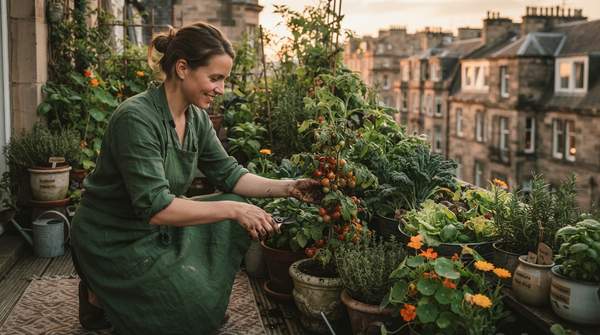
Cultivating a thriving indoor garden requires a patient, observant heart. My kitchen garden, brimming with life, reminds me daily that successful plant care means understanding and responding to subtle cues. It's a dance of balance: nurture tempered with restraint. Mastering proper watering and ensuring adequate drainage are the most impactful steps. Mastering proper watering and ensuring adequate drainage transforms struggling greenery into vibrant, resilient companions. By embracing these principles, indoor gardens will likely flourish, bringing lasting joy into our homes, a topic we will explore further in Homebody Magazine's a future issue.