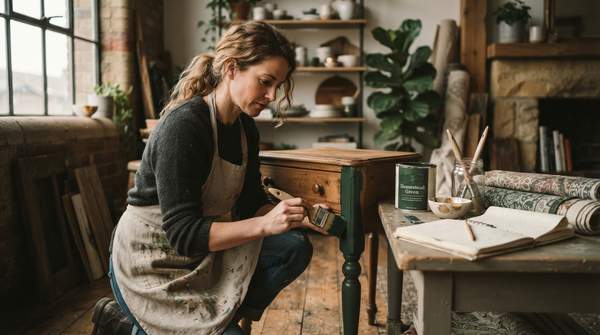
A recent TikTok video showcasing a stunning floral dresser makeover from a $25 thrifted cabinet garnered 5.3 million views and 800k likes in just one week, according to Social Media Analytics. This rapid engagement sparked a nationwide surge in similar DIY projects; searches for 'floral dresser DIY' and 'thrift flip furniture' increased by 300% in the last month, according to Google Trends. Despite the convenience and ubiquity of fast furniture, a growing movement rapidly proves personalized, high-quality aesthetics can be achieved for a fraction of the cost through upcycling. This virality suggests the home decor market is poised for a significant, consumer-driven shift towards personalization and sustainability, potentially disrupting traditional retail models faster than anticipated.
The Rapid Rise of the Upcycled Aesthetic
- A recent survey found 70% of Gen Z and Millennials prefer unique, personalized home decor over mass-produced items, according to Consumer Behavior Report.
- Local thrift stores in major cities report a 50% increase in sales of dressers and cabinets suitable for upcycling, according to Thrift Store Association Survey.
- DIY content creators specializing in furniture flips have seen their subscriber counts double in the last quarter, according to Creator Platform Data.
This surge stems from generational preferences for individuality and accessible online inspiration. Consumers actively seek unique pieces, transforming a simple thrifted cabinet into a personalized statement.
Economic & Environmental Imperatives Fueling the Flip
The average cost of a new dresser from a major retailer rose 15% last year, according to Retail Price Index. New furniture costs are pricing many consumers out. In contrast, a high-end floral dresser from a thrifted piece costs an estimated $75-$150, including materials, according to DIY Budget Analysis.
Upcycling offers a clear economic advantage. Beyond cost, furniture waste is significant, with 12 million tons ending up in landfills annually, according to EPA Report. Rising costs and climate concerns make upcycling a rational, appealing choice.
Beyond the Dresser: A Broader Shift in Consumption
Online marketplaces for handmade and upcycled furniture saw a 40% increase in listings and sales year-over-year, according to Etsy/Facebook Marketplace Data. This signals broader acceptance of pre-owned, customized items. Consumer sentiment surveys also indicate a growing desire for sustainable, ethically sourced home goods, according to Sustainability Trends Report.