For less than ten dollars, you can acquire a set of 36 unique floral stencils, transforming everyday items like lampshades and doormats into personalized art. Custom, artistic home decor often seems to demand significant skill or expense. Yet, floral stencils offer an accessible, cost-effective solution, bridging the gap between aspiration and execution. This makes personalized decor attainable for anyone. These reusable stencils, featuring a diverse array of flower, wildflower, vine, and botanical designs, according to Amazon, allow you to infuse natural beauty into any item. Imagine vibrant patterns adorning your entryway or delicate motifs gracing a plain wooden box—all achieved with simple tools.
Understanding Floral Stencil Basics
Floral stencils are typically crafted from durable 0.25mm (10mil) PET plastic, ensuring they withstand repeated use and cleaning, as reported by CrafTreat. This robust material provides long-term value. Sets vary, with some offering 60 small floral stencils for wood painting, according to Amazon, while others include 36 individual pieces. This combination of durability and diverse options means you can tackle numerous creative projects without compromising quality or design.
Choosing the Right Stencil Set for Your Project
Select a stencil set based on your project's dimensions and desired visual impact. Stencils range from 3x4 inches (CrafTreat) to 6x6 inches (eBay). Larger stencils suit wall accents or furniture panels; smaller ones are perfect for intricate details on picture frames or boxes. A CrafTreat 36-piece set, for example, costs just $9.98, according to CrafTreat. Consider both size and investment; many affordable options exist to achieve high-impact transformations without overspending.
Even with simple tools, several common pitfalls can derail your floral stencil projects, affecting the final aesthetic. Over-application of paint remains a frequent issue; too much paint on your brush or sponge can seep under the stencil's edges, blurring your crisp design and creating an undesirable smudged effect. Always offload excess paint onto a paper towel or a dedicated paint palette before applying it to your surface, aiming for a nearly dry brush. Another challenge arises from improper stencil adhesion. If the stencil is not securely taped down, especially on curved or uneven surfaces, it can shift during painting, leading to smudges and misaligned patterns. Use painter's tape along all edges or a temporary adhesive spray, like a light tack repositionable spray, to keep your stencil firmly in place without leaving residue. Neglecting proper surface preparation also causes problems. Ensure your surface is impeccably clean, completely dry, and free of dust, lint, or oils before beginning, as these contaminants can prevent paint from adhering evenly and cause a patchy or peeling finish. Addressing these simple steps proactively will save you time, frustration, and ensure a professional-looking result.
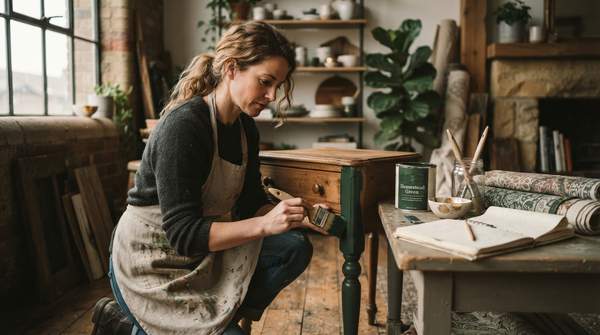
To ensure successful floral stencil applications, focus on precision and patience throughout your project. When applying paint, use a dabbing or stippling motion with a stencil brush or foam applicator rather than sweeping strokes. This technique helps prevent paint from bleeding under the stencil and creates sharper, more defined lines. Start with light coats and build up coverage gradually for the best results. You can also achieve depth and dimension by layering colors. Begin with a lighter base color, allow it to dry completely, then add darker shades or contrasting hues to specific areas of the floral design using a smaller brush. This creates a more professional, multi-tonal effect, giving your designs a lifelike quality. For delicate details or intricate patterns, consider using a fine-tipped brush with minimal paint, carefully filling in the smaller sections. Once painting is complete, carefully remove the stencil while the paint is still slightly damp to achieve the cleanest edges, a technique often highlighted in crafting guides, according to Altenew.
Pro-Tip: Always test your technique on a scrap piece of material similar to your project surface. Experiment with paint consistency, application, and color combinations without risking your main item. This simple step ensures your personalized decor shines.
How to use floral stencils on walls?
To use floral stencils on walls, start by ensuring the wall surface is clean, smooth, and completely dry. Secure the stencil firmly with painter's tape along all edges to prevent any movement during application. Apply paint using a stencil brush or foam roller with a minimal amount of paint, dabbing rather than brushing, which significantly reduces the risk of paint bleeding under the stencil. For larger patterns, carefully align the stencil for seamless repeats, using a level and measuring tape to ensure consistent spacing and a professional finish. Consider using a temporary spray adhesive for more intricate designs or on slightly textured walls to ensure maximum contact and crisp lines.
What are the best floral stencil designs for furniture?
The best floral stencil designs for furniture often include classic botanical motifs, delicate vine patterns, or bold geometric flowers that complement the furniture's existing style and scale. For vintage or antique pieces, ornate rose or lily designs can enhance their traditional charm, while modern furniture might benefit from abstract or minimalist floral shapes. The key is to choose a design that scales well to the furniture's surface area, ensuring the pattern isn't too crowded or too sparse, creating a balanced aesthetic. Look for designs that allow for easy repetition across larger surfaces or can be used as standalone accents on drawers or cabinet doors.
Easy floral stencil projects for beginners?
Beginners can start with simple floral stencil projects such as decorating plain wooden boxes, fabric tote bags, or small picture frames, as these items offer flat, manageable surfaces. Another accessible project involves customizing ceramic coasters, creating decorative borders on plain mirrors, or personalizing terra cotta plant pots. The objective is to practice your stenciling technique on smaller, less intimidating items first, allowing you to gain confidence and refine your skills before moving to larger, more visible pieces like accent tables, throw pillows, or feature walls. These smaller projects provide immediate gratification and build foundational expertise.
Maximizing Value in Your Stencil Crafting
The market shows significant price disparity for similar floral stencils. A 32-piece wildflower set from Michaels costs $32.99, while CrafTreat offers a 36-piece set for just $9.98. This difference means savvy DIYers can achieve extensive personalization without overspending. Comparing prices and leveraging discounts is crucial to maximizing savings, proving that quality DIY tools don't have to be expensive. This empowers consumers to make smart purchasing decisions for impressive results.
Companies selling premium home decor should be wary: the sub-$10 price point for extensive, reusable floral stencil sets, like those from CrafTreat, empowers consumers to replicate designer aesthetics at a fraction of the cost, threatening traditional market segments. The widespread availability of diverse, high-quality floral stencils means that the barrier to entry for personalized home decor has effectively vanished. As of 2024, the continued proliferation of affordable and accessible tools like the CrafTreat 36-piece set will likely solidify the role of DIY floral stencils as a go-to for budget-conscious home decorators, making 'minimal artistic skill' an outdated excuse for not having custom pieces. This trend suggests a lasting shift in how individuals approach home decor, favoring personalization and affordability.