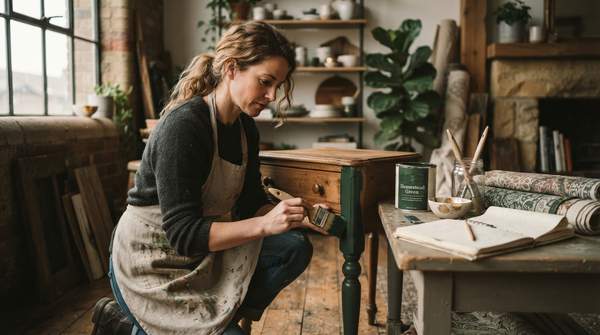
At a bustling Kansas City cafe, customers choose projects from a menu, creating their own "restaurant-style crafting" experience. This model, offering activities like terrarium building and stamp carving, draws individuals seeking tangible creative outlets and immediate personal satisfaction. Its popularity signals a growing trend: accessible DIY projects are embraced for empowerment and well-being in 2026.
Crafting is increasingly popular for its reported mental health benefits, but robust scientific evidence for its long-term therapeutic effectiveness remains limited. A disconnect between widespread positive personal experiences and the rigorous clinical validation needed for formal recognition exists.
While crafting clearly provides immediate personal satisfaction, its formal integration into clinical mental health interventions will likely await more conclusive research. Perceived well-being, not just clinical validation, drives market trends in the burgeoning 'craft-as-therapy' movement.
Commercial crafting spaces, like the Kansas City cafe, signal a broader societal embrace of creative outlets for personal well-being. These venues offer curated environments for self-directed activities, fostering a tangible sense of accomplishment. Companies capitalizing on this 'craft-as-therapy' trend demonstrate that immediate, perceived benefits—even without robust scientific validation—power significant consumer engagement and market growth. Subjective well-being can be a more immediate market driver than extensive scientific backing.
The appeal extends beyond entertainment. These spaces provide practical empowerment through hands-on creation. The immediate feedback loop of completing a project offers a clear sense of progress and capability, reinforcing self-efficacy and fostering a proactive approach to mental well-being.
The Tangible Benefits of Making
Nineteen studies consistently reported short-term improvements in mental health outcomes, according to a pmc review. Benefits include reduced anxiety, stress, and depression, plus increased self-efficacy, mood, well-being, and self-esteem. These immediate positive impacts draw individuals seeking accessible relief and a quick shift in emotional state.
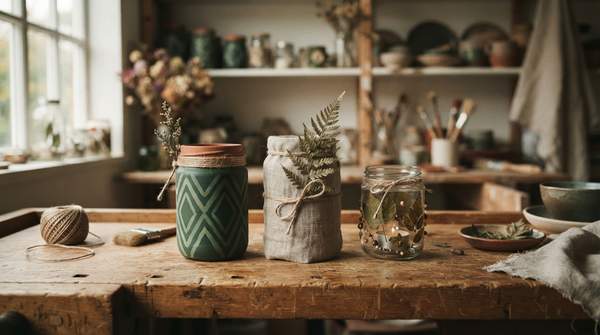
The 'restaurant-style crafting' model, like the Kansas City cafe, makes engaging with crafts such as terrarium building and stamp carving highly accessible. Customers select projects from a menu and complete them independently, as reported by the Kansas City Star. This ease of participation, combined with consistent reports of improved mental well-being, fuels their growing traction.
Crafting provides immediate, tangible benefits for mental health and personal fulfillment. Its consistent, albeit short-term, positive impact suggests it serves as a crucial, accessible outlet for stress and anxiety relief. Crafting fills a gap that traditional, often inaccessible, mental health services cannot, offering readily available comfort that contrasts with complex formal therapy.
The Scientific Gap: More Research Needed
A comprehensive pmc review identified 19 studies on crafts-based interventions. While these studies consistently reported short-term improvements, drawing firm conclusions about overall effectiveness remains challenging. Variations in interventions, study designs, measured outcomes, and research quality make generalizing findings difficult.
While crafting often provides immediate relief, the rigorous data needed for it to be a reliable, long-term therapeutic method is absent. Establishing long-term efficacy requires standardized approaches and larger, more controlled studies. The scientific community remains cautious, emphasizing the need for robust, high-quality research to establish definitive therapeutic efficacy. Perceived benefits drive commercial success, but clinical validation demands a different standard of evidence—one that provides replicable results across diverse populations.
Beyond the Lab: The Enduring Value of Personal Creation
The commercial success of craft-as-therapy models extends beyond in-person experiences, highlighting a deep-seated desire for personal agency. The Kansas City cafe, for example, offers 'to-go boxes' with crafting supplies, allowing customers to continue projects at home, as reported by the Kansas City Star. Strong demand for self-directed creative engagement that integrates into daily life, offering flexibility and continued personal growth, is evident. Consumers actively seek and pay for experiences providing immediate psychological benefits and a sense of mastery, driving a significant market segment.
By 2026, companies offering accessible crafting experiences will likely expand their reach, driven by clear consumer demand for tangible self-improvement and emotional regulation, further solidifying the craft-as-therapy model.