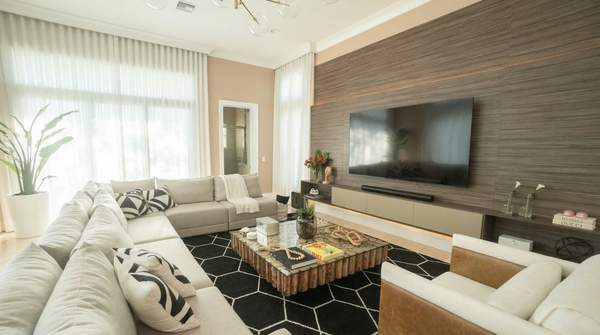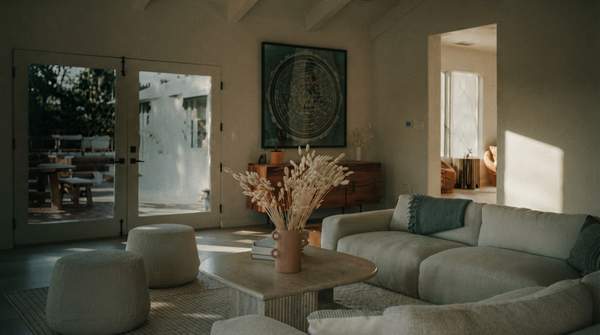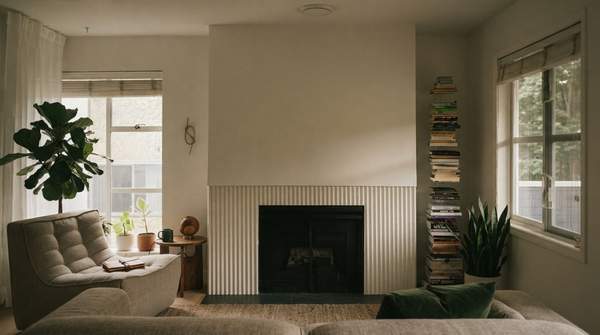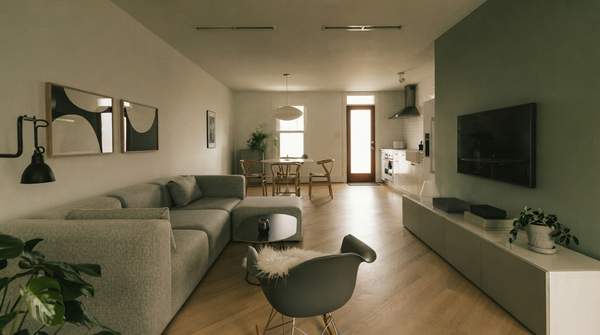
The secret to a minimalist interior that feels serene rather than cold is intentionality. Minimalist design, as Architectural Digest's design writers describe it, isn't asking "How little can I live with?"—it's about being purposeful, keeping what's truly needed and loved, and letting your eye rest. This guide turns that principle into a decision framework you can apply to decluttering, color, texture, light, and furniture so your space stays simple and comfortable.
Embracing Intentional Minimalism: Beyond Bare Spaces
A minimalist room should read as "really well curated," in the words of designer Niya Bascom's collaborators quoted by Architectural Digest—not as a room missing something. Done well, it exudes peace, tranquility, and calm, and it has everything you actually need for that environment. Done poorly, it feels empty and impersonal.
The difference comes down to choices. While traditional minimalism emphasizes strict neutral palettes and sparse furnishings, a contemporary approach allows personal expression through soft colors and layered textures. Lifestyle writer Tammy Strobel puts it simply: less isn't nothing, and you can enjoy the things you own. Your goal is a home that is both edited and expressive.