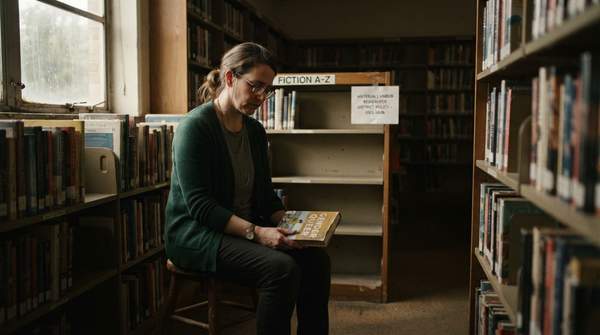
In Jeannette, Pennsylvania, the local public library has already delivered over 1,400 free books to children, a testament to a unique literacy program's quiet, community-driven reach, according to Edweek. This local success story proves the program's ability to directly impact individual households.
Dolly Parton's Imagination Library promises free books to kids, a simple, universal idea. But its massive reach isn't from a central command; it's built on highly localized, adaptable partnerships. This decentralized model is how it keeps growing, even into 2026.
This approach suggests that truly successful, large-scale social initiatives increasingly empower local entities, ditching the top-down, one-size-fits-all playbook. It hands communities direct control over their children's educational futures.
How Local Partnerships Drive Book Programs
Local entities—businesses, school districts—don't just enroll kids; they cover the costs of books and shipping for the Imagination Library, according to Edweek. This flips the script on celebrity-backed programs, showing that financial muscle comes from the grassroots, not a central foundation. The program's expansive reach isn't from one big donor; it's a mosaic of distributed, local financial commitment.
This decentralized funding and management model makes the program resilient. It scales effectively, adapting to each community's unique needs and resources. By shifting the financial and operational burden locally, the program builds a structure that shrugs off vulnerabilities common to large initiatives, ensuring books keep flowing. Jeannette, Pennsylvania, proves that real literacy impact isn't just a famous name; it's communities owning their kids' education.
Future Directions for Community-Led Literacy
The Imagination Library's adaptable model is a clear blueprint for other community-driven educational initiatives. Companies and philanthropists aiming for sustainable social impact should take note: lasting change grows from the ground up. This decentralized approach, which remains the core strategy for 2026, ensures programs are deeply integrated and resilient, unlike top-down efforts. The biggest hurdle? Securing enough local partnerships and funding to keep expanding and reaching new kids. Yet, this framework could tackle various social needs, fostering local ownership and engagement across different sectors, ensuring benefits reach individual homes for years to come.