If you've ever stood in a specialty shop wondering which fancy jar actually earns its price, here's my short answer: finishing salt, aged balsamic vinegar, and artisanal conservas deliver the biggest jump from their mass-market versions. Add olive oil and a label-reading habit, and you have a complete upgrade strategy. Here's how to tell the real thing from the marketing.
The Allure of Artisanal: Why Upgrade Your Pantry?
Artisanal isn't just a pretty label. It's about how a food is made and how openly the maker talks about it. The fastest tell, according to Foodie Box Love's editorial team, is the ingredient list itself: artisan products typically carry five to ten ingredients you recognize as food, while grocery store counterparts often carry twenty or more, including additives you'd never stock in your own pantry.
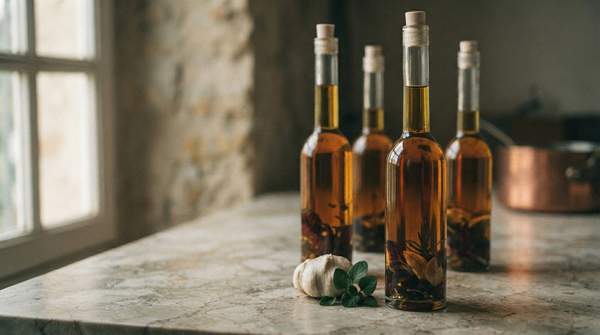
The difference shows up on the tongue. A barrel-aged balsamic from a small producer carries complexity from the wood and the time; a mass-produced balsamic, they note, is often wine vinegar with caramel color and thickeners simulating age. Sourcing transparency is the strongest signal of genuine artisan production—if a maker can't tell you where their main ingredient comes from, they're likely buying on the commodity market.
One honest caveat: artisanal doesn't automatically mean healthier. Specific nutritional differences depend on the ingredient. What you're buying is flavor, texture, and craft.
Finishing Salts: A Spectrum of Flavor and Texture
Your basic table salt does one job: making things salty. Finishing salts do more. Unrefined, hand-harvested sea salts like fleur de sel and sel gris retain trace minerals and moisture, giving you complex flavor and a distinct crunch that refined salt loses in processing.
Spice expert Lior Lev Sercarz, author of The Spice Companion, suggests thinking in threes. A delicate, moist, granular fleur de sel finishes most foods. A coarse, chunky, minerally sel gris suits hearty things like steaks, roasts, and root vegetables—and it doubles as a cooking salt. A fine flake salt handles fresh greens, margarita rims, and anything that wants crispy salty texture without overwhelming saltiness.
Hope Williams of Jacobsen Salt Co., a hand-harvested sea salt operation on the Oregon Coast, puts it simply: their salt can replace your table salt, with a crisp, clean, bright taste that elevates any dish. The upgrade here is small money for a big sensory shift.
Aged Balsamic Vinegar: The Sweet-Sour Elixir
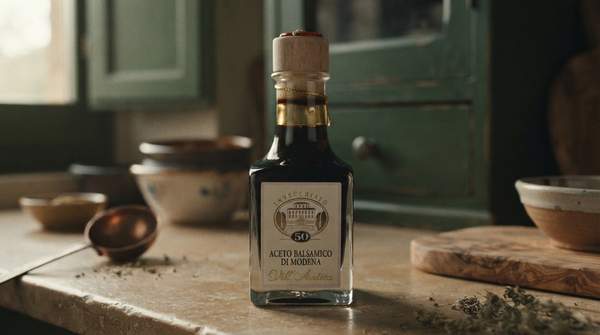
Here's where labels matter most. Imitation balsamics, as Celia's Gourmet Foods explains, can be made anywhere and are generally cider vinegar colored and flavored to approximate the real thing—fine for cooking and salad dressing, but a different product entirely.
The genuine article is regulated. Balsamic production standards are set by the European Commission, and for Balsamic Vinegar of Modena PGI, the grape must is partially fermented and/or cooked and concentrated, blended with wine vinegar and a portion of vinegar aged at least ten years, then matured in wooden containers. "Aged" PGI balsamic requires at least three years of maturation in barrels or wooden casks, with every stage monitored by a control body for traceability.
Why the price gap? Italyabroad.com's Andrea D'Ercole points out that the vinegar occupies valuable barrels and storage space for years while evaporation progressively reduces the finished product. Comparing a cheap supermarket balsamic with one aged for decades purely on price, he writes, makes little sense—they may share the words "balsamic vinegar," but they're fundamentally different products.
Use it sparingly. Aged balsamic is better suited to finishing dishes than disappearing into a large salad dressing. And don't judge by density alone: Acetaia Leonardi notes that while density captures attention, it results from many factors—production process, ingredients, aging—and tasting reveals the true harmony.