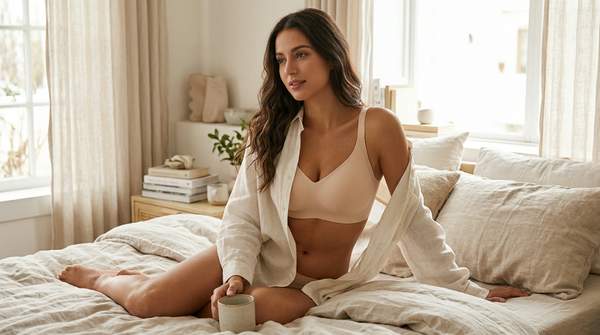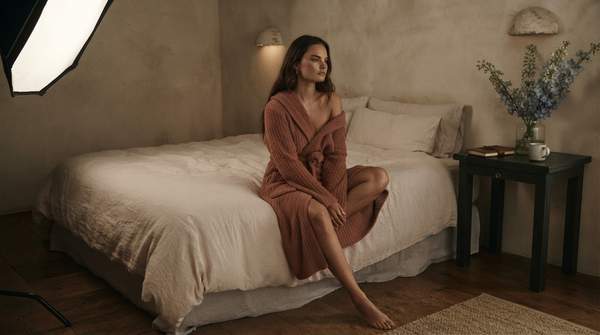
Here's the short answer: a year-round loungewear capsule doesn't need dozens of pieces. It needs a small set of natural fiber garments chosen for what each fiber actually does, then layered by weight. Soft, breathable cotton against your skin. Cooling linen for warm days. Warm, durable alpaca for cold ones. That's the core. I've pulled together the material properties and the building framework below, so you can assemble a capsule that feels right in every season without replacing it every year.
The Foundation of a Loungewear Capsule: Why Natural Fibers?
A capsule wardrobe works because it's compact and versatile, with pieces that pair easily and cut the decision fatigue of an overstuffed closet. When you apply that philosophy to loungewear and commit to natural fibers, the benefits multiply. That's the case made by Selvane, a natural clothing specialist whose capsule framework argues that materials like wool, cashmere, linen, and silk offer exceptional comfort, breathability, and longevity, and that they age with grace rather than wearing out.
There's a financial logic here too. Quality natural fiber pieces often cost more upfront, but Selvane's guiding principle is that their durability and longer lifespan make them more cost-effective over time than synthetic fast fashion. For something you wear as often as loungewear, that math matters. You're not buying a look for one season. You're buying comfort that holds up through hundreds of evenings, lazy weekends, and work-from-home days.
Choosing Your Fibers: A Seasonal Guide to Natural Materials
Not all natural fibers do the same job. The trick is matching each fiber's inherent properties, like breathability, durability, and drape, to the season and the spot it occupies in your outfit. Think of it as assigning roles: some fibers sit next to your skin, some insulate, some keep you cool.
Cotton is your everyday workhorse. It's exceptionally soft, breathable, and absorbent, which makes it ideal for garments worn directly against the skin. Organic cotton in particular is noted for its softness and breathability. Linen shifts the equation toward heat: a linen blend adds moisture-wicking properties and a more relaxed texture, which is why it's considered perfect for warmer climates. Alpaca sits at the opposite end, renowned for exceptional warmth, unparalleled softness, and remarkable durability, the kind of fiber described as investment-grade.
Natural Fiber Loungewear Comparison
Use this table to match a fiber to the loungewear item you're shopping for. The reasoning is straightforward: breathability and absorbency point a fiber toward base layers and warm weather, while insulation and durability point it toward cold-weather pieces built to last.
| Fiber | Key Property | Best Season(s) | Feel/Texture | Common Loungewear Garments |
|---|---|---|---|---|
| Cotton | Exceptionally soft, breathable, and absorbent; ideal for direct skin contact | Everyday wear against the skin | Soft | T-shirts and base layers |
| Linen | Moisture-wicking with cooling durability | Warmer climates and summer | Relaxed texture, cooling | Warm-weather layers |
| Alpaca | Exceptional warmth, unparalleled softness, remarkable durability | Cold months | Unparalleled softness | Investment-grade garments |
Read the table as a temperature map. Cotton anchors the middle, the layer you reach for regardless of season. Linen earns its place when the thermostat climbs. Alpaca is your deep-winter answer. Wool, cashmere, and silk also belong in the natural fiber conversation for their comfort, breathability, and longevity, though the sources here detail cotton, linen, and alpaca most specifically.